Getting around Budapest is much easier than it first looks. The city has a reliable public transport system, clear routes, and affordable tickets, making it easy to explore even on your first visit.
From historic trams along the Danube to an easy airport bus that takes you straight into the city centre, public transport in Budapest is well-organised and visitor-friendly. Once you understand a few basics, moving around the city quickly becomes second nature.
In this guide, I’m sharing everything you need to know about getting around Budapest. From airport transfers and transport tickets to local tips and common mistakes, this post will help you travel around the city with confidence and focus on enjoying your trip.
Getting from Budapest Airport to the City
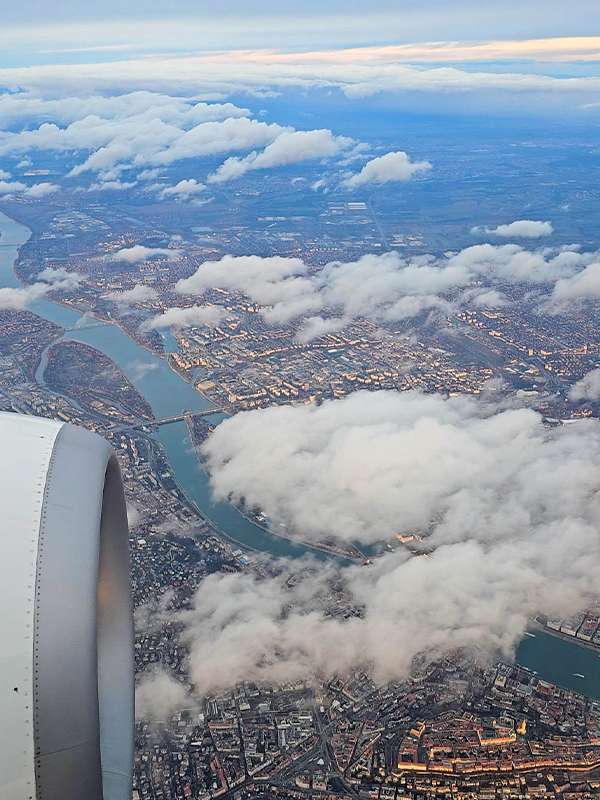
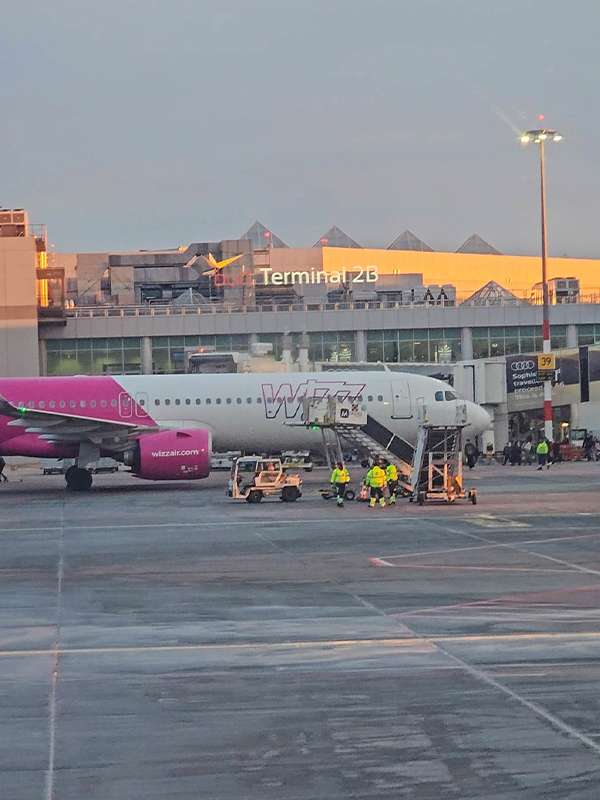
Budapest is served by Budapest Ferenc Liszt International Airport, located around 16 km from the city centre. There are several easy ways to get from the airport into Budapest, depending on your budget, arrival time, and comfort level.
Airport Bus 100E (Best option for first-time visitors)
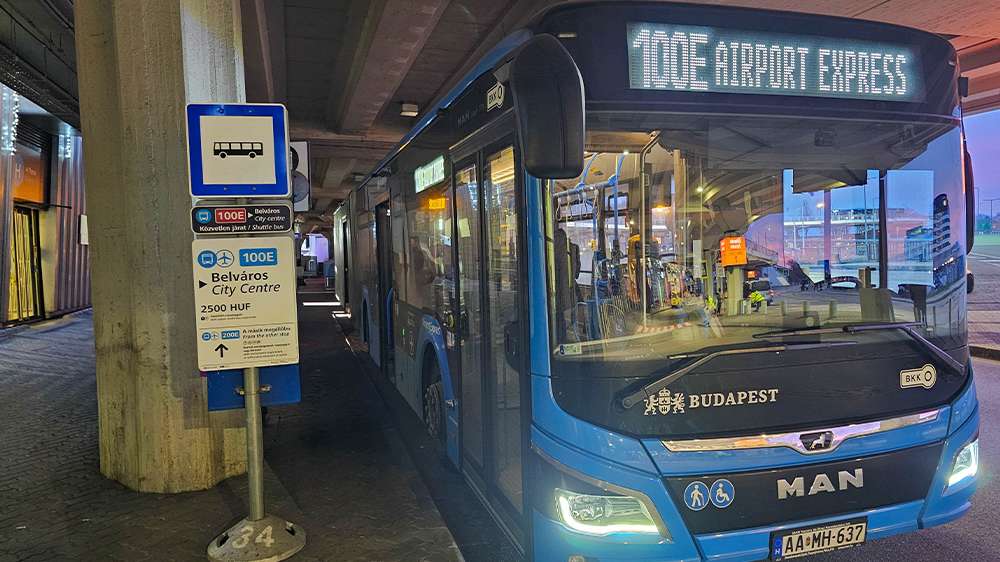
The 100E airport bus is one of the easiest ways to get from the airport to the city centre.
- Direct connection between the airport and central Budapest
- Stops at Deák Ferenc tér, Astoria, and Kálvin tér
- Runs frequently from early morning until late at night
- Journey time: around 35–45 minutes
You’ll need a separate airport bus ticket, which is slightly more expensive (~2500 HUF) than a regular public transport ticket. Tickets can be bought at the airport machines, via the BudapestGO app, or onboard using a contactless card.
If you’re visiting Budapest for the first time, this is the easiest and most stress-free option.
Bus 200E + Metro M3 (Cheapest option)
If you’re travelling on a tighter budget, you can use regular public transport.
- Take bus 200E from the airport
- Change to Metro line M3 at Kőbánya-Kispest
- Use a standard ticket (90-minute ticket with unlimited transfers) or travel pass
This route takes longer and involves a transfer, but it’s the cheapest way to get into the city using public transport. It works well if you’re already familiar with metros or travelling light.
Taxi from Budapest Airport
Taxis are convenient, especially for late arrivals or if you’re travelling with luggage.
- Official airport taxis are operated by Főtaxi
- Fixed pricing based on distance
- Journey time: around 30–40 minutes
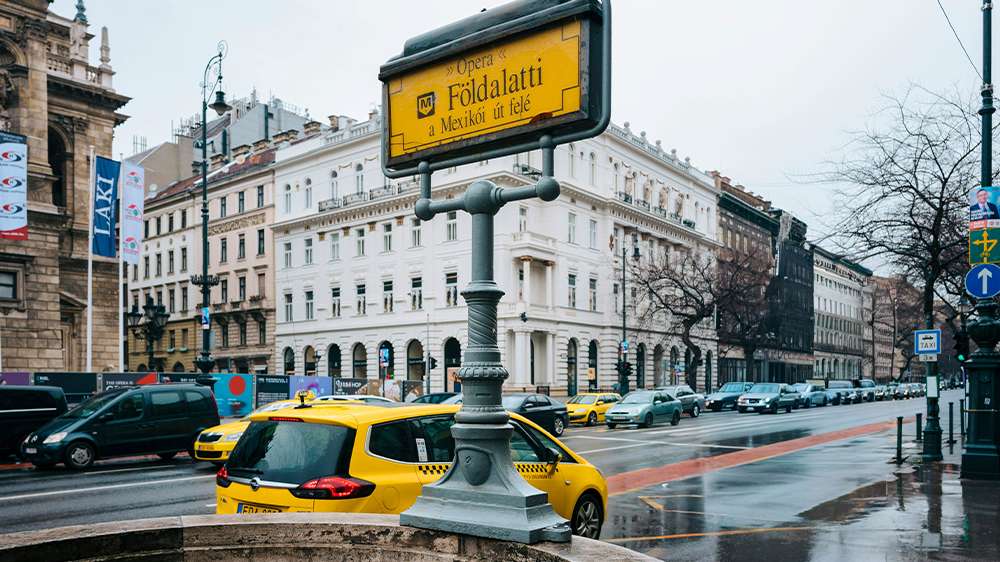
Always use the official taxi rank outside the terminal. Avoid accepting rides from drivers approaching you inside the airport.
Private & Shared Airport Transfers
If you prefer door-to-door comfort, especially after a long flight, a transfer service can be a good option.
Private airport transfer
- Fixed price
- Meet-and-greet service
- Ideal for families, groups, or late-night arrivals
This is the most comfortable but also the most expensive option.
Shared airport shuttle (minivan)
- Comfortable shuttle service between the airport and central Budapest
- Drop off at your chosen address in the city
- Scheduled departures every 15–25 minutes, throughout the day
A shared shuttle is a quick and hassle-free alternative if you want door-to-door service at a lower cost than a private transfer.
How Public Transport Works in Budapest
Budapest has a well-connected public transportation system that makes it easy to explore the city without driving. It is reliable, affordable, and easy to use once you understand a few basics. The transport network is operated by Budapesti Közlekedési Központ, commonly abbreviated to BKK.
Most visitors rely on a mix of:
- metro lines
- trams
- buses and trolleybuses
You don’t need a car to explore the city. In fact, public transport is often faster than driving, especially in the city centre.
One thing to know early on: tickets must always be validated before or at the start of your journey. Ticket inspections are common, and fines are high if you’re caught without a valid ticket.
Budapest Public Transport Options
Metro
Budapest has four metro lines, and they’re easy to understand.
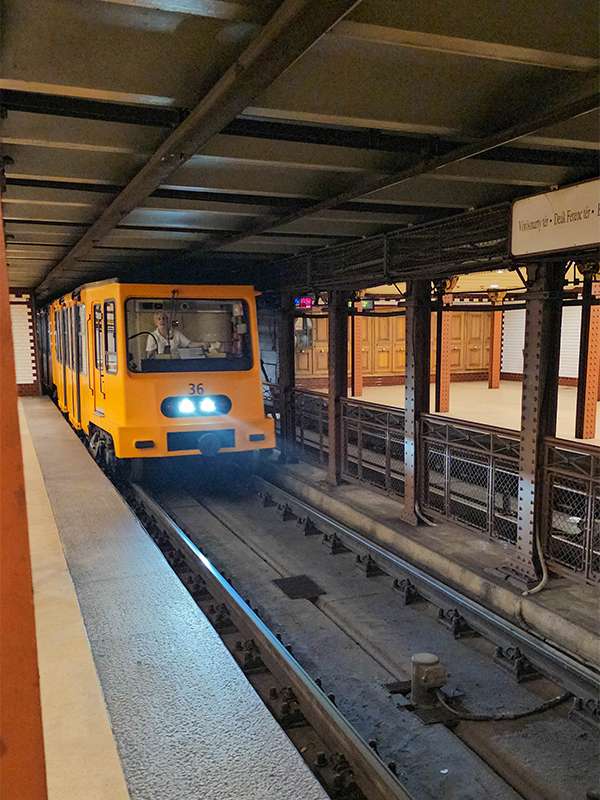
- M1: historic yellow line, great for sightseeing
- M2: red line, connects Buda and Pest
- M3: blue line, useful for airport connections
- M4: green line, modern and fast
The metro is quick and efficient, but it doesn’t cover every part of the city. You’ll often combine it with trams or walking.
Click here to check the major lines of daytime public transport in Budapest.
Trams
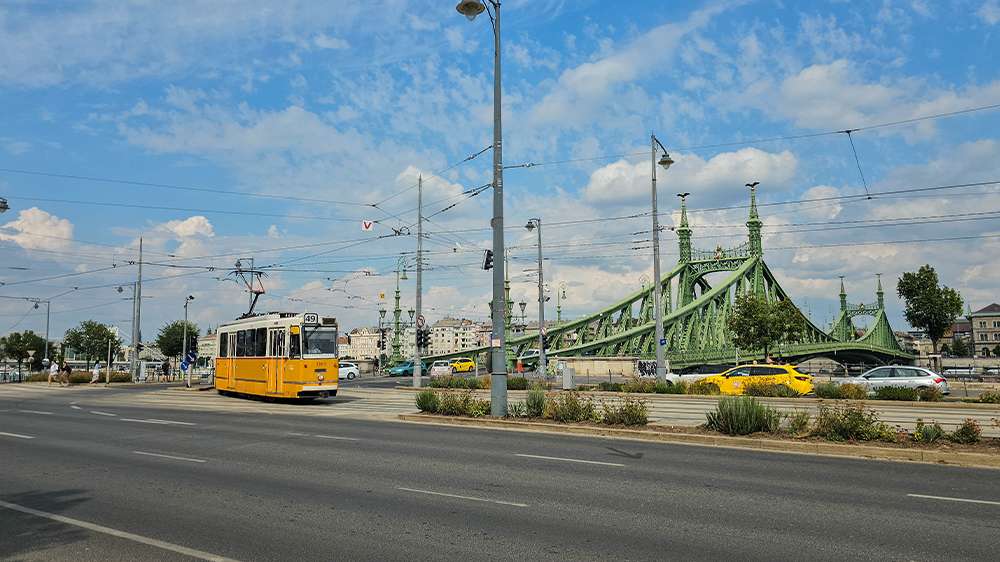
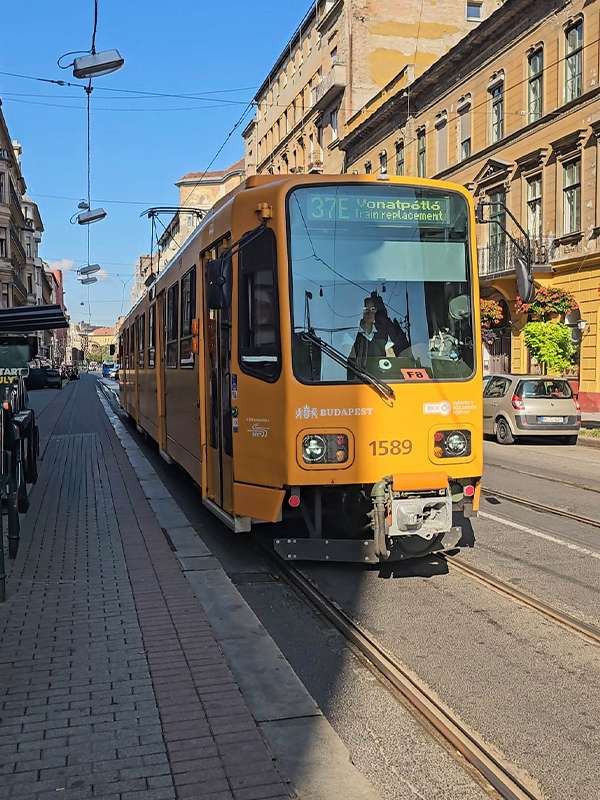
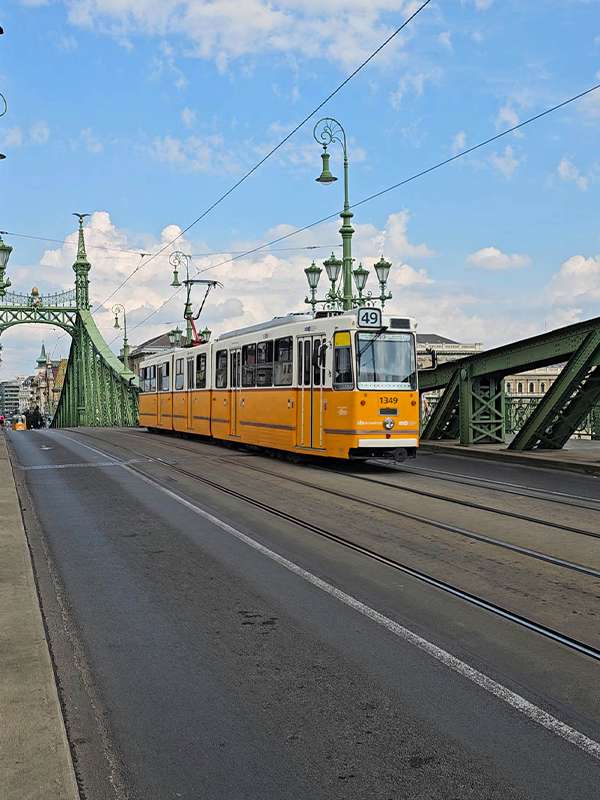
Trams are one of the best ways to get around Budapest.
They’re frequent, scenic, and cover large parts of the city. Some of the most useful tram lines run along the Danube, offering great views while you travel.
If you’re sightseeing, trams are often more convenient than the metro and much more enjoyable.
Tip: Take Tram 2, which runs along the Danube, for views of many of Budapest’s landmarks.
Buses and Trolleybuses
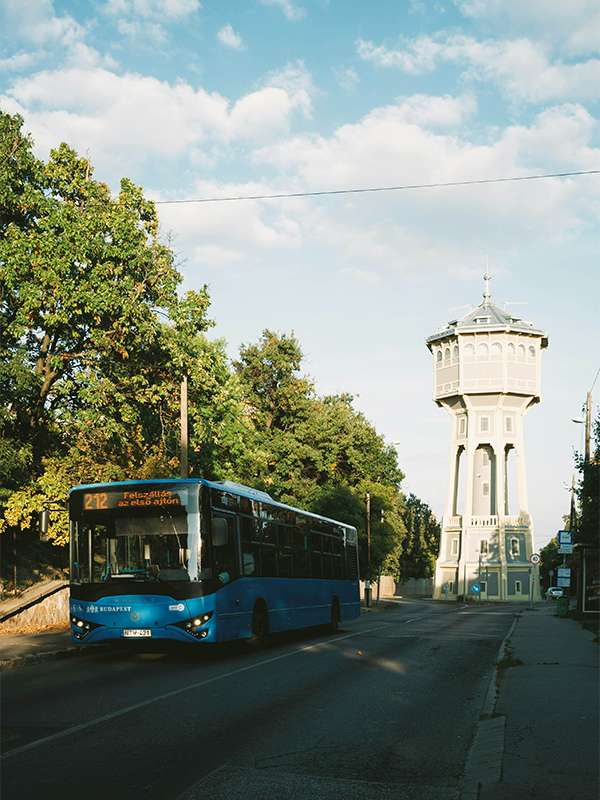
Buses and trolleybuses fill in the gaps where the metro and trams don’t go.
They’re especially useful in residential areas and on the Buda side. Night buses also run when the metro is closed, making it easy to get back to your accommodation after an evening out.
Night Transport
Budapest has an extensive night transport system.
- Night buses replace metro lines after midnight
- Services are frequent and reliable
- Same tickets and passes apply
This makes Budapest a very convenient city if you enjoy late dinners, evening drinks or clubbing.
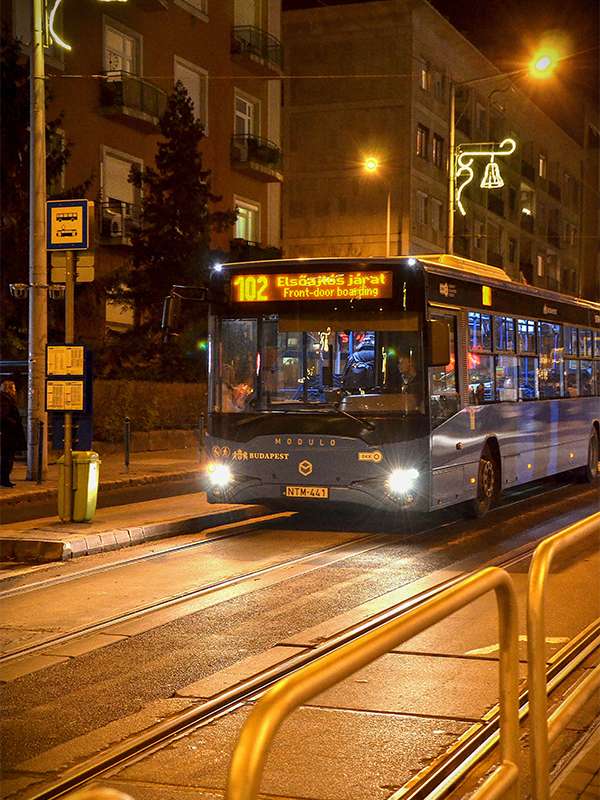
Tickets, Passes & Travel Cards in Budapest
Choosing the right ticket depends on how long you’re staying and how much you plan to use public transport. Ticket costs in Budapest are much more affordable compared to many European capitals.
Single Tickets
Single tickets are valid for:
- one uninterrupted journey
- no transfers
They must be validated at the start of your trip. These work best if you only use public transport occasionally.
Time-Based Travel Passes
For most visitors, time-based passes offer the best value.
Popular options include:
- 24-hour travel pass
- 72-hour travel pass
These passes allow unlimited travel across all public transport within the city and remove the stress of buying tickets each time.
If you plan to use public transport more than a few times per day, this is usually the most convenient option.
Budapest Card (Worth it or not?)
The Budapest Card combines public transport with free or discounted entry to attractions.
It can be worth it if:
- You plan to visit several museums
- You’ll use public transport frequently
If you mainly plan to walk and focus on a few highlights, a standard travel pass is often a better value.
Where to Buy Tickets
- at ticket machines in metro stations
- at BKK customer centres
- via the BudapestGO app
Using the app is especially handy if you don’t want to queue or carry cash.
Transport Discounts in Budapest
Budapest offers a range of transport discounts, but availability depends on who you are and which type of transport you use. There’s an important distinction between local transport within Budapest and regional or national transport.
For visitors, most discounts apply to local public transport rather than intercity travel.
Discounts for Local Transport in Budapest
Local transport discounts are managed by the city’s public transport authority and apply mainly to:
- students
- seniors
- children
- residents and long-term pass holders
Some discounts require:
- valid student or ID cards
- Hungarian-issued documents
- specific eligibility criteria
Because rules can change and eligibility is strict, it’s best to check the official information before purchasing tickets or passes. You can find the full, up-to-date list of discounted tickets and passes on the BKK website.
For most short-term visitors, standard tickets or time-based travel passes are usually the simplest and most practical option.
Is Budapest Walkable?
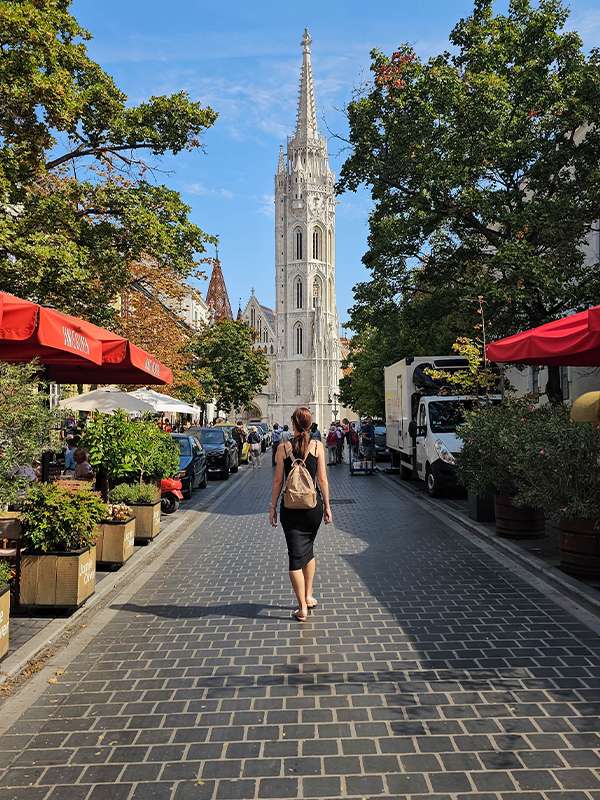
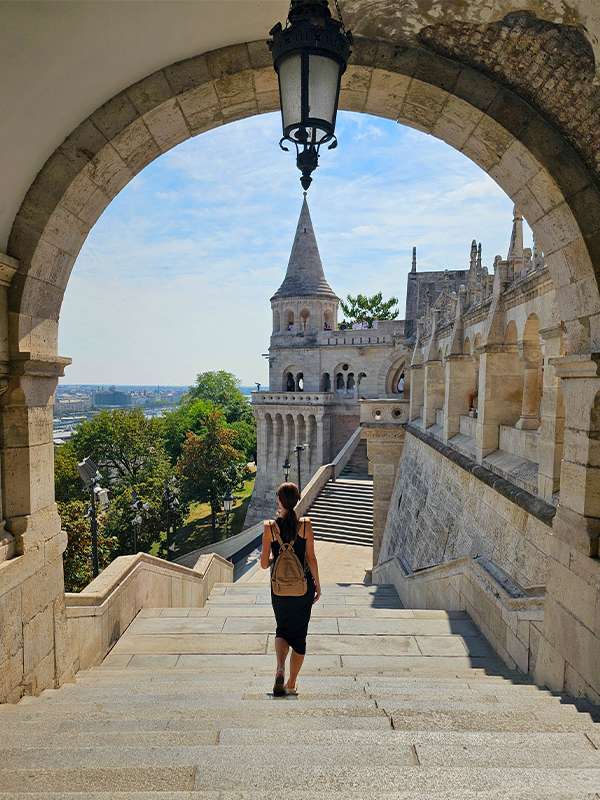
Yes, very much so. Central Pest is flat and easy to explore on foot, and many major sights are close together. Walking is often the best way to explore the city; experience its atmosphere, cafés, and architecture.
A great way to explore is:
- Walk between sights
- Use trams or the metro for longer distances
This combination works perfectly in Budapest and keeps transport costs low.
Other Ways to Get Around Budapest
Taxis and Ride-Hailing
Taxis in Budapest are affordable, but it’s important to use licensed city taxi services or ride-hailing apps.
- Official taxis have clear branding
- Ride-hailing apps like Bolt are widely used
Avoid unmarked taxis, especially around tourist areas.
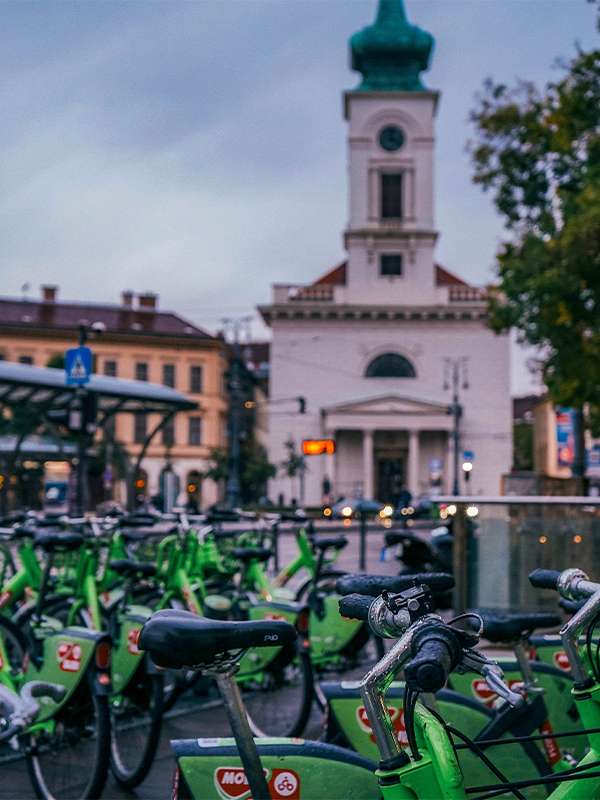
Public Bike Sharing with MOL Bubi
Budapest has a city bike-sharing system called MOL Bubi, which is a convenient option for short trips around the centre.
Bike stations are spread across Pest and near major transport hubs. They can be unlocked using the app and returned to any official docking station.
MOL Bubi works best for:
- short distances
- flat areas in central Pest
- combining cycling with walking or public transport
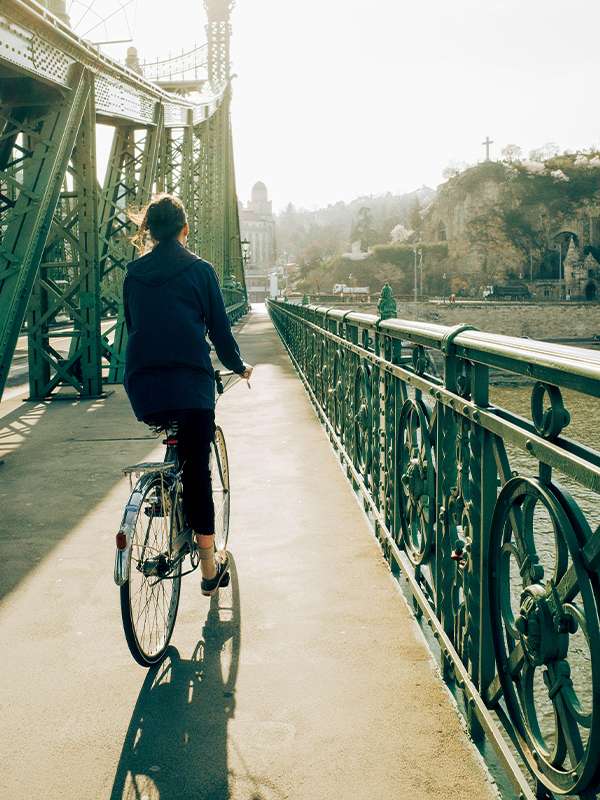
It’s affordable and easy to use, but less practical in hilly areas on the Buda side or during peak traffic hours.
Click here to check cycling maps in Budapest
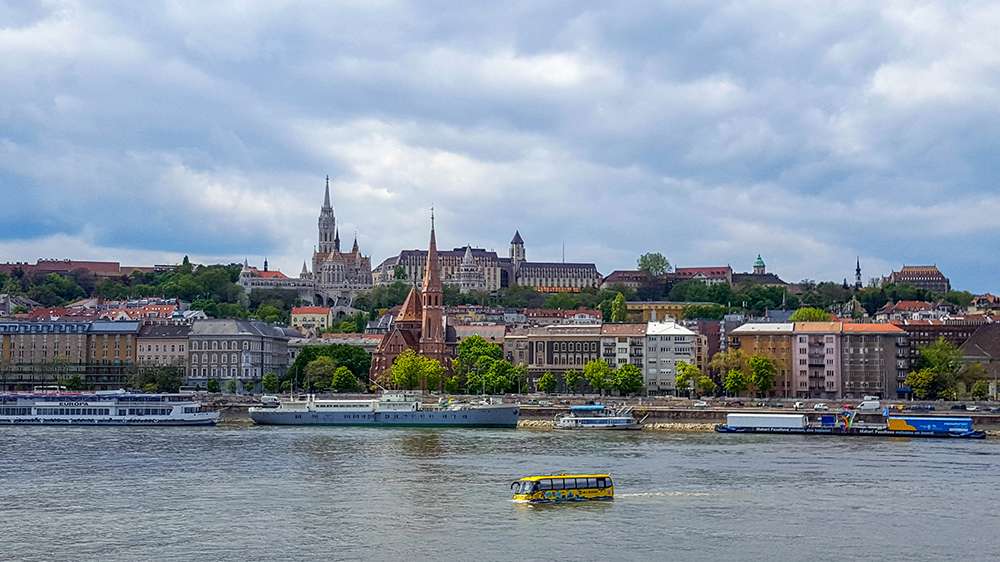
River Ferries
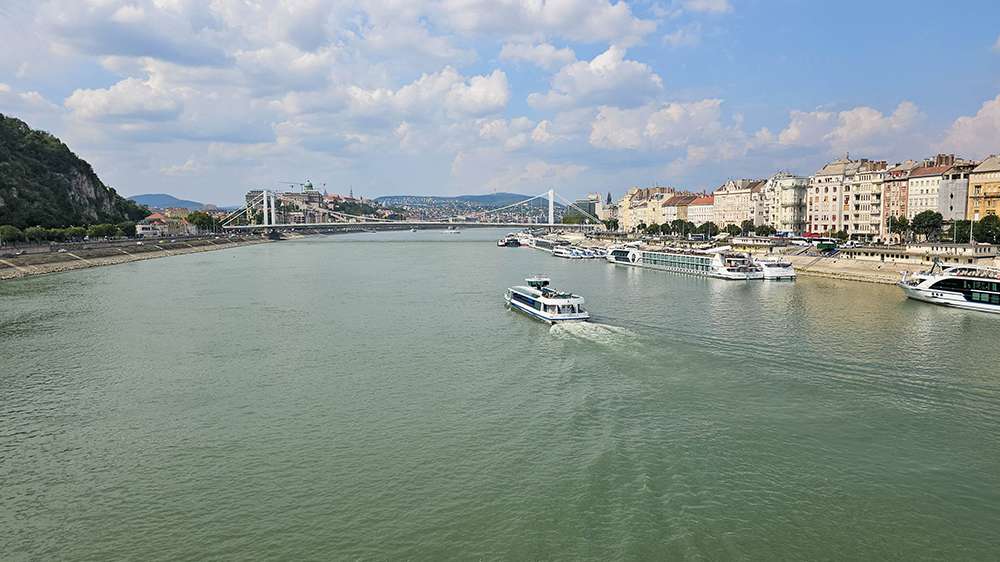
Seasonal ferries operate along the Danube and can double as a scenic way to get around. They’re not essential, but they’re a fun alternative if you have time.
Useful Apps for Getting Around Budapest
A few apps can make getting around Budapest much easier, especially if you’re visiting for the first time. You don’t need many, but having the right ones saved before you arrive is helpful.
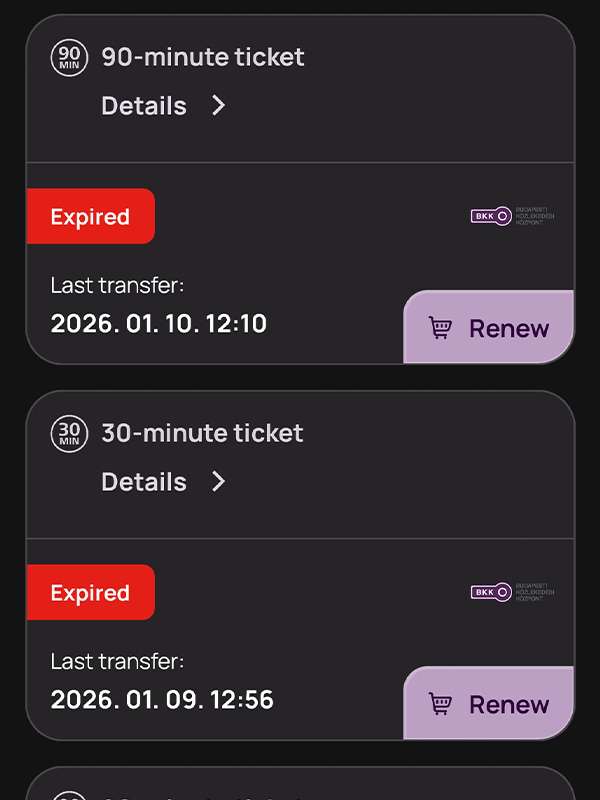
BudapestGO (BKK App)
This is the official app for public transport in Budapest.
You can:
- Check routes and timetables
- Buy tickets and passes
- Plan journeys in real time
If you only download one local app, make it this one.
Google Maps
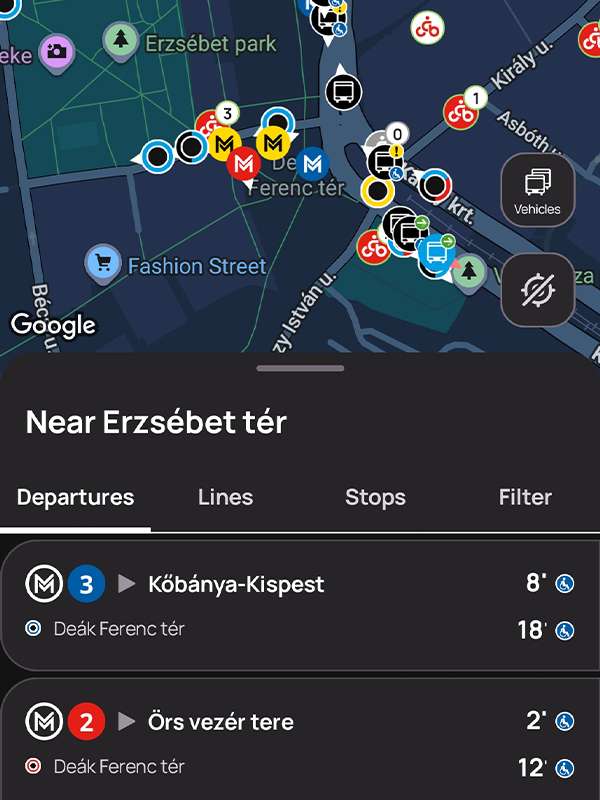
Google Maps works very well in Budapest and is reliable for:
- metro, tram, and bus routes
- walking directions
- live arrival times
It’s especially useful when combining walking with public transport.
Bolt
The Bolt app is widely used in Budapest and is often easier than hailing a taxi on the street.
- clear pricing
- cashless payment
- reliable for short trips or late nights
It’s a good backup if public transport isn’t running or you’re travelling with luggage.
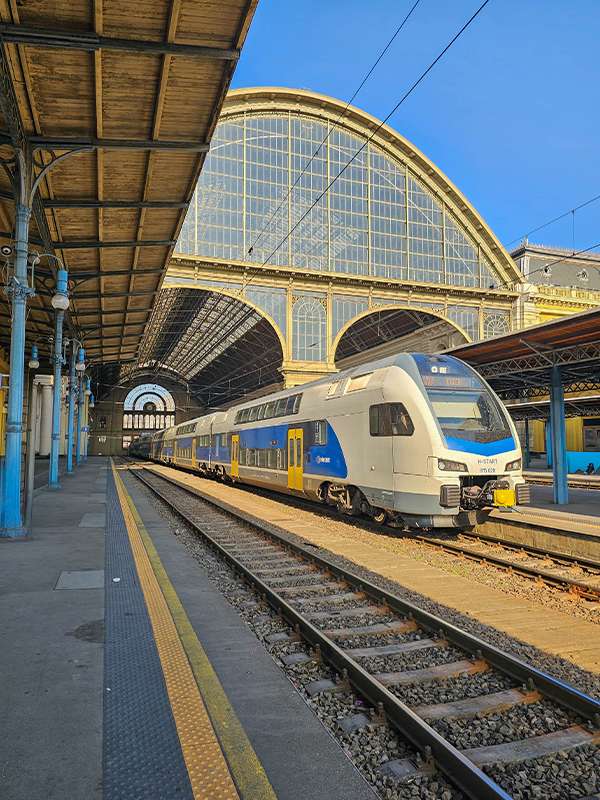
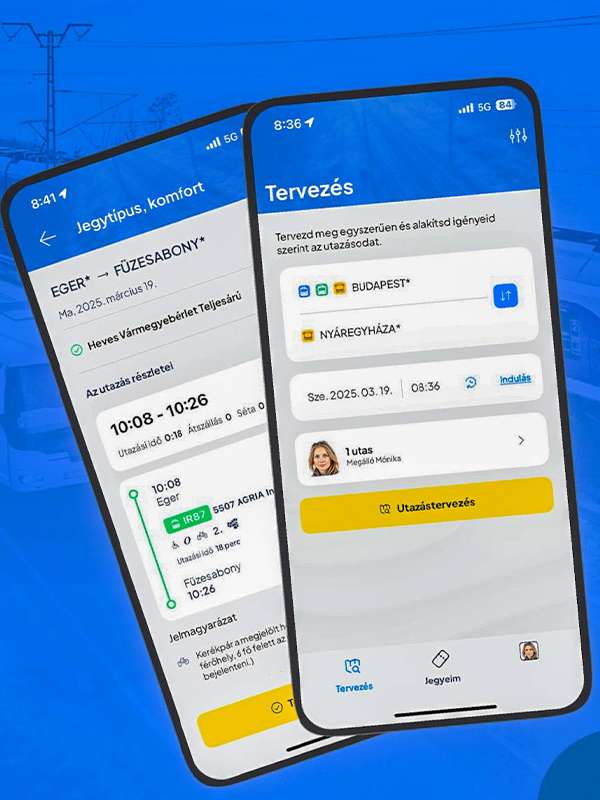
MÁV
If you’re planning day trips from Budapest by train, this app can be useful.
- train schedules
- ticket purchases
- platform information
Not essential for city travel, but handy for exploring beyond Budapest.
MOL Bubi app
If you plan to use Budapest’s bike-sharing system, you’ll need the MOL Bubi app.
With the app, you can:
- Find nearby bike stations
- Unlock and return bikes
- Manage payments and passes
It’s a good option to have if you enjoy cycling or want a flexible way to get around central Budapest on warmer days.
Tip: Download these apps before you arrive and save your accommodation location offline. It makes navigating the city much smoother, especially on arrival day.
Budapest Transport Tips & Common Mistakes
- Always validate your ticket before travelling
- Keep tickets until the end of your journey
- Don’t assume transfers are included with single tickets
- Avoid unofficial taxis
- Travel passes save time and stress
These small details make a big difference to your experience.
Final Thoughts on Getting Around Budapest
Getting around Budapest is simple, affordable, and well-organised. With a solid public transport system, walkable neighbourhoods, and clear ticket options, the city is easy to navigate even on your first visit.
Once you understand the basics, you can move around confidently and focus on enjoying everything Budapest has to offer.
For more inspiration, explore my other guides:
- Hungary Travel Guide
- 16 Best Things to Do in Budapest
- 3 Day Budapest Itinerary
- Best Day Trips from Budapest
Get Inspired
Budapest is a city of thermal baths, grand boulevards, and breathtaking views along the Danube. From St. Stephen’s Basilica and the Parliament to ruin pubs and river cruises, this video guide shows the top things to do in Budapest. Whether it’s your first visit or a return trip, get inspired by the must-see attractions that make Hungary’s capital unforgettable.
Hit play to watch our video and start planning your Budapest adventure today!