
Getting around London can feel overwhelming at first. The city is huge, busy, and packed with transport options: Tube lines, buses, travel zones, Oyster cards, contactless payments, and six different airports.
I’ve lived in London for years, and I still remember how confusing it felt on my first visit.
And the good news? Getting around London is much easier than it looks. Once you understand a few basics, the public transport system becomes simple and efficient. It’s not cheap, but if you know the right tricks, you can save money and avoid unnecessary costs. And very often, walking is actually the easiest way to get around.
In this guide, I share a practical, first-timer-friendly overview of getting around London. First, I explain how London’s public transport works, including the Tube, buses, trains, and travel zones. Then, I walk you through the different airports and the best ways to reach the city. Finally, I share the best apps to help you plan your journeys, so you can move around with confidence and spend more time enjoying London.
London at a Glance
Planning a trip to London for the first time? Here’s my starter guide to help you plan your stay, book smart, and get around the city with ease.
Where to Stay in Central London (My Top Picks)
- Budget: Cosmos Capsule Hub London, Zedwell Piccadilly Circus
- Mid-Range: DoubleTree by Hilton, Park Plaza Westminster Bridge
- Boutique: The Gantry London, Curio Collection by Hilton
- Luxury: Shangri-La at the Shard, The Savoy
Top Experiences to Book
- Thames River Cruise with Lunch
- Royal afternoon tea with Kensington Palace Gardens Tour
- London Bridge & Borough Market Food Tour
- London 30 Top Sights Walking Tour
- Secrets of London Walking Tour
- London Classic Landmarks Bike Tour
Getting to and around London
- Book your airport transfer to London
- TFL Journey Planner: real-time Tube, bus, and DLR updates
- Citymapper: the easiest app for planning routes across London (locals love it)
Did you know?
Some London Underground stations run deep below the city. During World War II, several were used as air-raid shelters, with platforms and tunnels protecting thousands of Londoners.
How London’s Transport System Works (Big Picture)
Before getting into the details, it helps to understand how London’s transport system works as a whole.
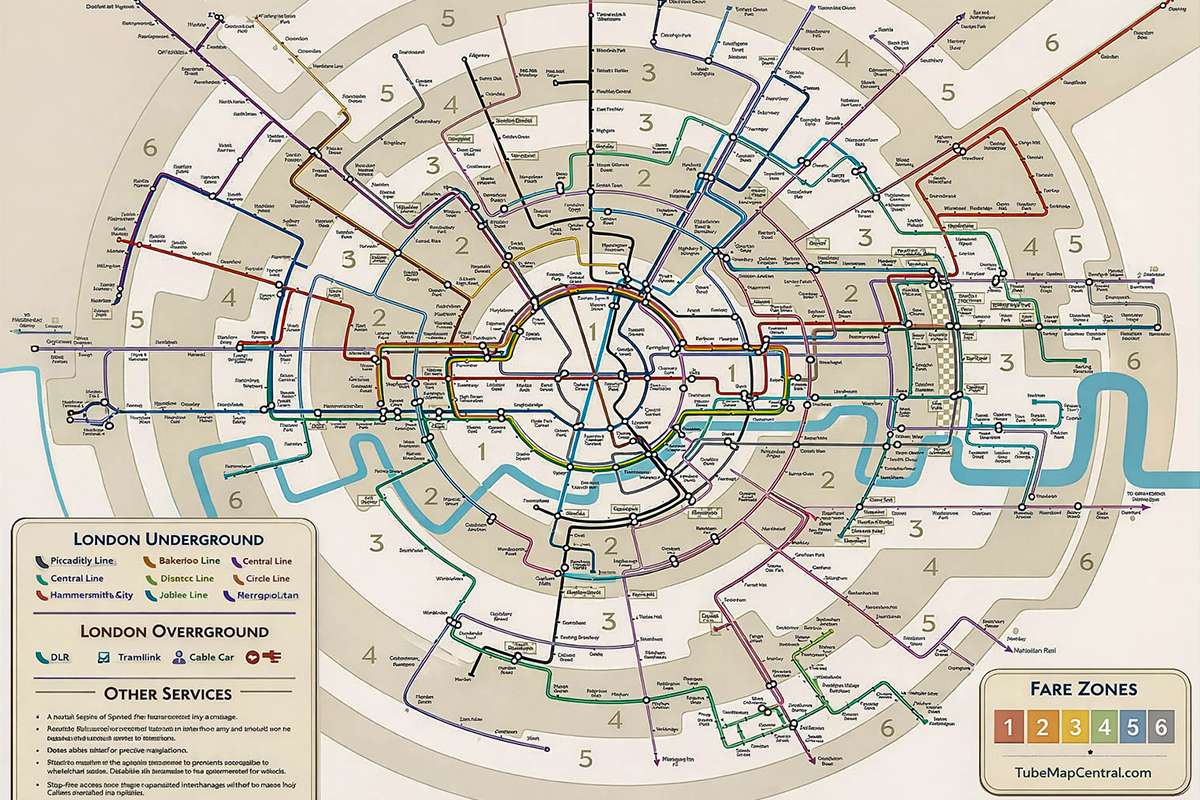
London is divided into travel zones, numbered from Zone 1 in the centre outwards. Most of the city’s main sights, neighbourhoods, and attractions sit within Zones 1 and 2, which is where most first-time visitors spend their time.
You don’t need paper tickets or complicated passes. Instead, you tap in and out using a contactless card, phone, or Oyster card. The system automatically calculates the correct fare for each journey.
Even better, daily and weekly fare caps apply automatically, so you’ll never pay more than a set maximum, no matter how many trips you take in a day.
Once you understand these basics, getting around London becomes surprisingly simple.
Paying for Public Transport in London
Contactless Cards & Mobile Pay (Recommended)
For most visitors, this is the easiest option.
You can use:
- Visa or Mastercard
- Apple Pay or Google Pay
Just tap in and out at ticket barriers or on buses. There is:
- No need to buy tickets in advance
- No topping up
- Automatic daily and weekly fare caps
If you already use contactless at home, this will feel very familiar.
Oyster Card (Who Still Needs One)
An Oyster card can still make sense for:
- Visitors without a contactless bank card
- Children or travellers using discounted fares
- Longer stays, if you prefer having a separate travel card
That said, for most short trips, Oyster isn’t necessary anymore.
Travelcards (When They Make Sense)
Travelcards are:
- Rarely worth it for short stays
- Sometimes useful for longer visits or specific routines
For first-time visitors, they’re usually not the best option. You can safely skip them unless you know you’ll benefit.
To summarise, for most travellers, contactless is the best way to get around London, especially for short trips.

Understanding London Zones (Without Overcomplicating)
London’s transport zones run from Zone 1 to Zone 6, starting in the city centre and spreading outward.
Here’s what you really need to know:
- Zone 1: central London (Soho, Covent Garden, Westminster)
- Zone 2: nearby neighbourhoods (Camden, Notting Hill, Greenwich)
- Most visitors stay and travel within Zones 1–2
For example, if you’re staying in Soho, you’re in Zone 1. If you’re in Camden, you’re in Zone 2.
You don’t need to calculate fares yourself. The system automatically works everything out when you tap in and out, which keeps things stress-free.
Getting Around London Day to Day
The Tube (London Underground)
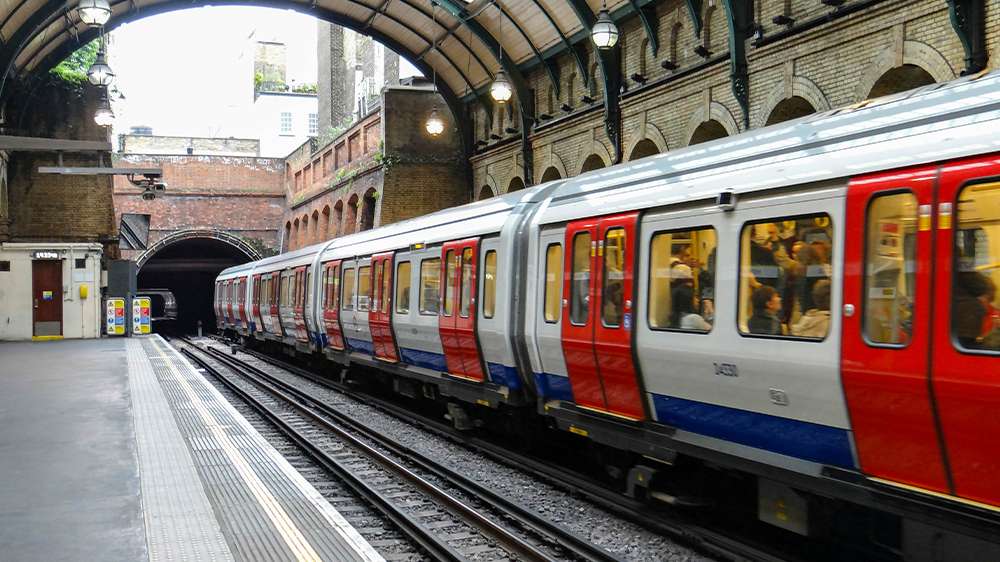
The Tube is the backbone of public transport in London and the fastest way to travel across the city.
- Lines are colour-coded
- Trains run every few minutes
- You can reach almost anywhere with one or two changes
It’s best for:
- longer distances
- crossing the city quickly
Try to avoid it during rush hour (around 7:30–9:30 am and 5–7 pm), when it can get very busy.
Local etiquette tip: stand on the right, walk on the left on escalators.
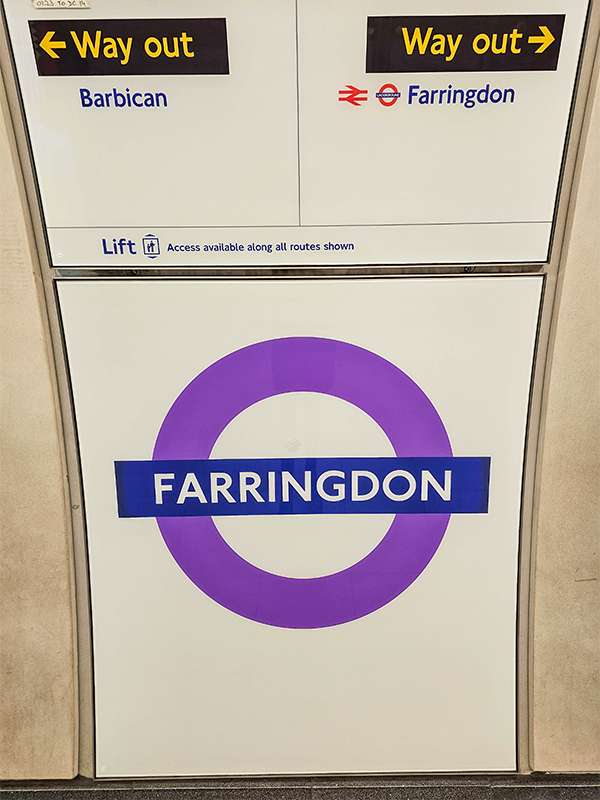
Elizabeth Line
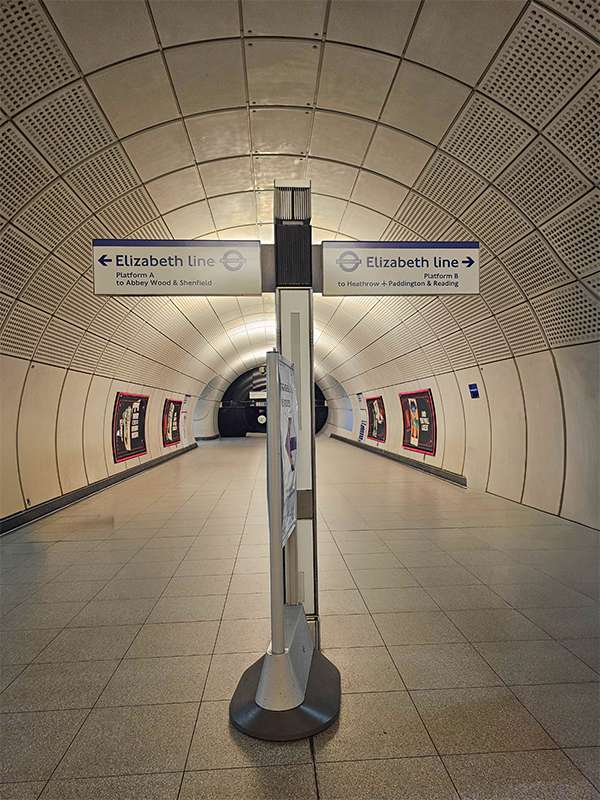
The Elizabeth line is modern, fast, spacious and the newest addition to Transport for London.
- Connects west – central – east London
- Excellent for Heathrow Airport
- Great for areas like Canary Wharf and Paddington
It feels more like a high-speed train than the Tube, which makes longer journeys more comfortable.
London Overground & DLR
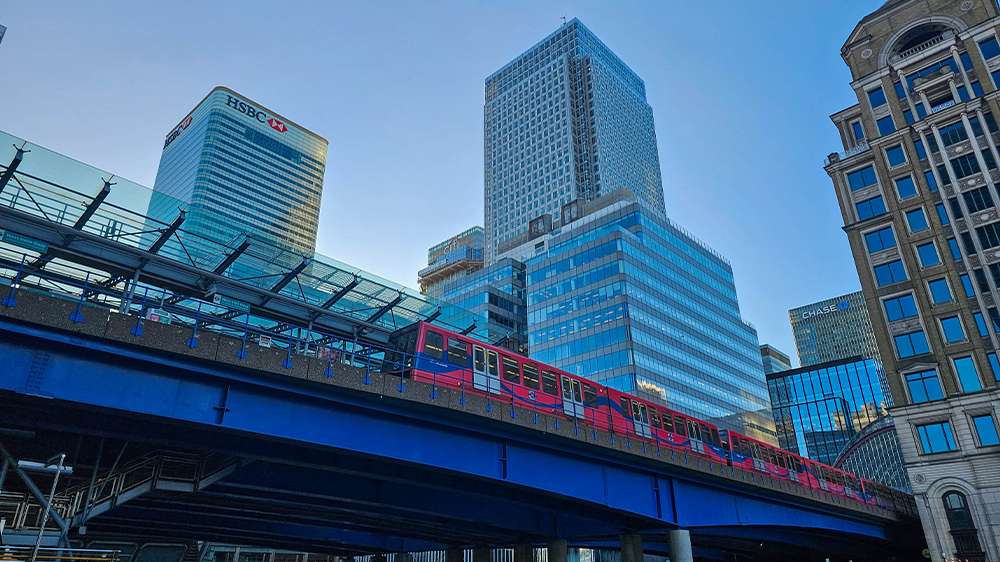
These connect areas outside the central core and link major neighbourhoods with key train stations across the city.
- Overground: great for places like Shoreditch, Hampstead, and South London
- DLR: ideal for Docklands and Greenwich
They’re clean, reliable, and often less crowded than the Tube.
Good to Know: Tap In on the DLR
The Docklands Light Railway (DLR) often has no ticket gates, so it’s easy to forget to tap in.
Always touch your card on the yellow reader before boarding and tap out at the end.
If you don’t, you may be charged the maximum fare or fined by an inspector.
Buses in London
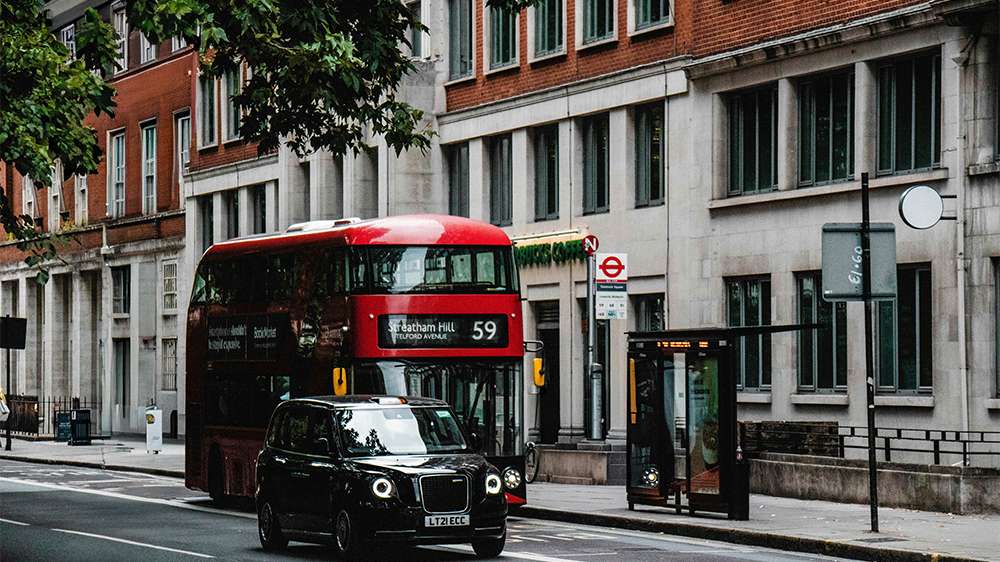
Buses are often underestimated, but they’re brilliant. London’s bus system is extensive, with frequent bus services and well-marked bus stops across the city.
- Cheaper than the Tube – one of the most affordable ways of getting around London
- Flat fare per ride, with the Hopper fare allowing unlimited bus journeys within one hour for a single £1.75 fare when using contactless or Oyster
- Great for short distances
- Around 675 bus routes serve residents and travellers
They’re also one of the best ways to see the city above ground, especially if you’re not in a rush. Night buses run across London after the Tube closes.
Walking in London
This is one of the best ways to explore the city.
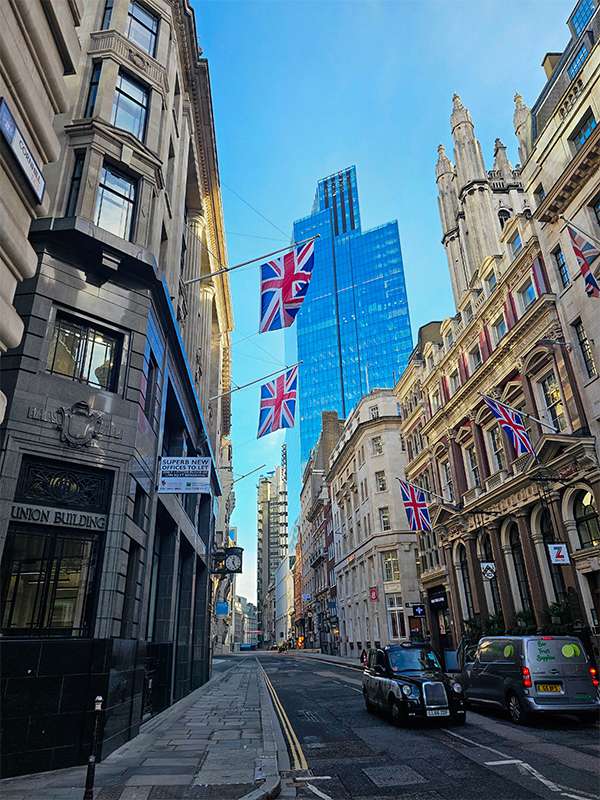
London is walkable in clusters, and many famous sights are closer together than they look on a map. Areas like Soho, Covent Garden, South Bank, Notting Hill, and Kensington are best explored on foot.
For short distances, walking is often faster than taking the Tube, and far more enjoyable.

Bikes, Scooters & Taxis (Optional)
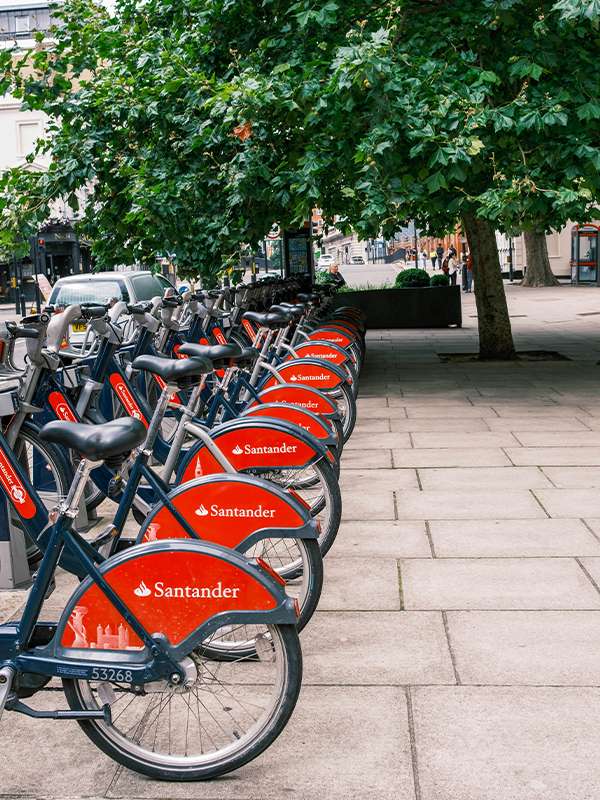
- Santander Cycles: great for short rides in central London
- Lime / Bolt scooters: handy in some areas
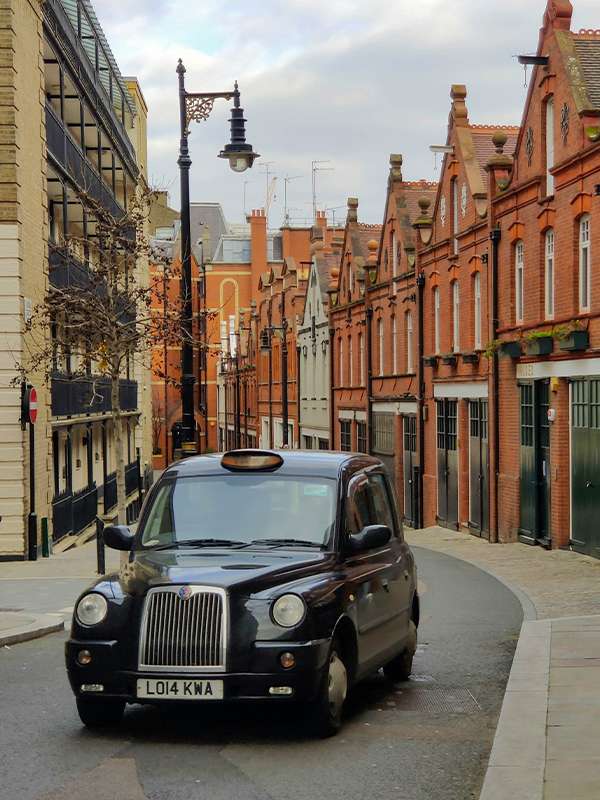
- Uber & black cabs: convenient, but more expensive
Useful occasionally, but not essential for most visitors.
How to Get to London: Flights & Trains
London is served by six major airports, and while that might sound overwhelming at first, getting to London is usually very straightforward. Every airport has clear public transport connections into the city, and the best option depends on your arrival point, budget, and where you’re staying.
Travelling to and beyond London by train is just as easy.
London is one of Europe’s best-connected rail hubs, with major stations linking the city to destinations across the UK and mainland Europe.
Stations like King’s Cross, St Pancras, Paddington, Victoria, Waterloo, Liverpool Street, and Euston all connect London with major cities, and checking your arrival or departure station in advance helps you plan more smoothly.
Whether you’re flying in or arriving by train, London is one of the easiest capitals in Europe to reach.

Heathrow Airport
London’s largest and best-connected airport.
Your main options:
- Elizabeth Line: fast, modern, and comfortable
- Tube (Piccadilly Line): cheapest option
- Heathrow Express: non-stop train to Paddington
Fastest: Heathrow Express (15 minutes to Paddington)
Cheapest: Tube (Piccadilly Line)
Best for first-timers: Elizabeth Line — easy, spacious, and well signposted
Gatwick Airport
Located south of London with excellent rail connections.
Your main options:
- Gatwick Express: direct and fast
- Thameslink: runs through central London
- Southern trains: usually cheaper, slightly slower
Fastest: Gatwick Express
Cheapest: Southern or Thameslink
Best for first-timers: Thameslink — no station changes if you’re staying centrally
Stanstead Airport
Often used by low-cost airlines, northeast of London.
Your main options:
- Stansted Express: direct train to Liverpool Street
- Coach/bus: budget-friendly but slower
Fastest: Stanstead Express
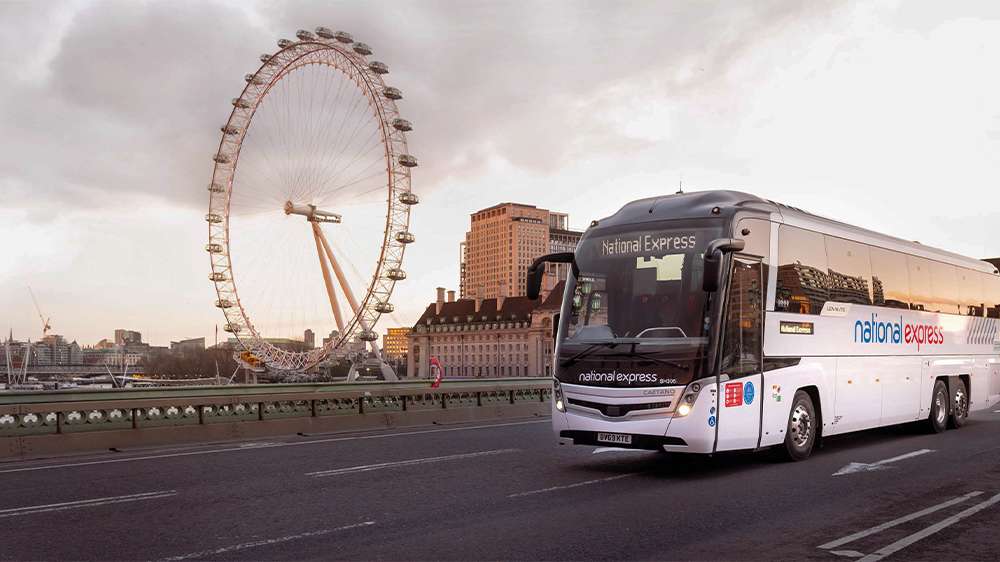
Cheapest: Coach (National Express)
Best for first-timers: Stansted Express or National Express — simple and direct
Luton Airport
Another popular budget airport north of London.
Your main options:
- Train + shuttle: shuttle bus to Luton Airport Parkway, then train
- Coach: cheaper but slower
Fastest: Train via Luton Airport Parkway
Cheapest: Coach (National Express)
Best for first-timers: Train — fewer variables than road traffic
London City Airport
The closest airport to central London.
Your main options:
- DLR (Docklands Light Railway)
Fastest: DLR
Cheapest: DLR
Best for first-timers: Ideal if you’re staying in Canary Wharf or East London
London Southend Airport
Smaller, quieter, and far less hectic than the others.
Your main options:
- Direct train to Liverpool Street
Fastest: National Rail
Cheapest: National Rail
Best for first-timers: A great option if you want an easy, stress-free arrival
Trains to London (UK & Europe)
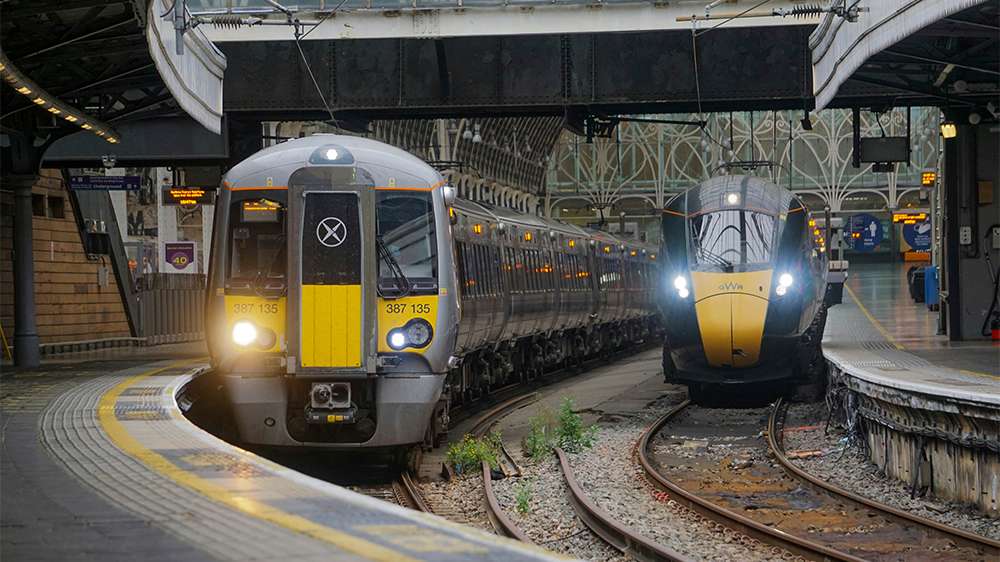
Travelling to and beyond London by train is easy, reliable, and well organised. The city is a major rail hub, with different stations serving different regions, so knowing which station you need makes planning much smoother.
London’s main rail stations include King’s Cross, St Pancras International, Paddington, Victoria, Waterloo, Liverpool Street, and Euston. Each connects London with different parts of the UK or Europe.
In general, trains in and out of London are:
- frequent
- reliable
- easy to navigate
For popular routes, weekends, and peak travel times, it’s usually cheaper to book in advance, especially if you’re planning day trips.
Eurostar
If you’re travelling to London from Europe, the Eurostar is a great alternative to flying. Trains arrive at St Pancras International and connect London directly with Paris, Brussels, Amsterdam, and Lille.
Day Trips from London: Train & Bus
Thanks to its location and transport links, London is an excellent base for exploring beyond the city. Historic towns, seaside destinations, countryside walks, and famous landmarks are all within easy reach.
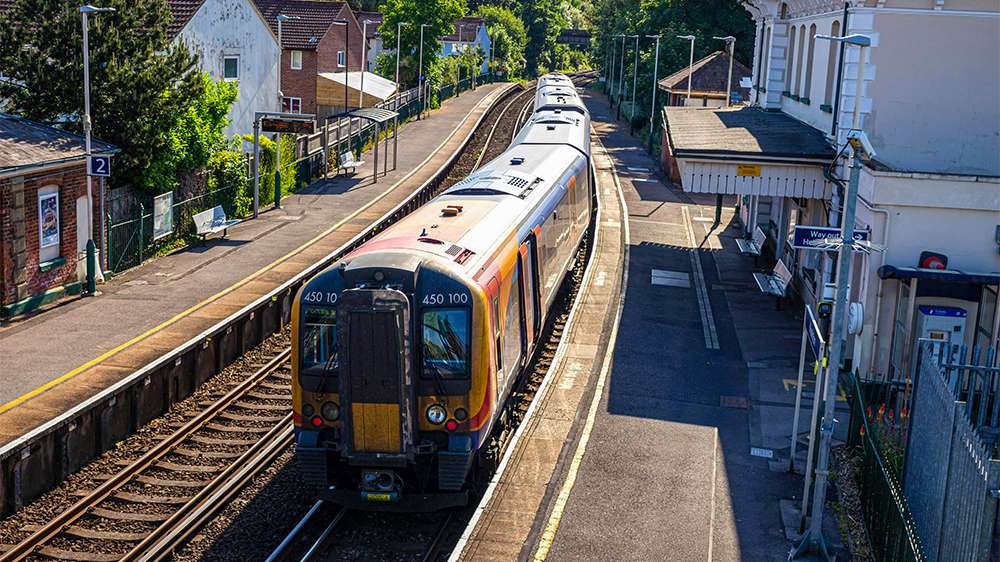
Most day trips from London can be done by train or coach, depending on your budget, schedule, and how much flexibility you want.
- Trains are faster, more comfortable, and ideal for popular routes
- Buses/coaches are cheaper and useful for budget travellers, but take longer
Tip: The earlier you book your train tickets, the better deal you’ll get, trust me on this!
The city’s main stations include King’s Cross, St Pancras, Paddington, Victoria, Waterloo, Liverpool Street, and Euston. Each serves different parts of the country, so checking your departure station in advance is helpful.
Best Transport Apps for London
These apps make getting around London much easier:
- Citymapper: the gold standard for route planning in London
- Google Maps: reliable for walking routes and general navigation
- TfL Go: official app with live Tube, bus, and line updates
- Uber / Bolt: useful for late nights or short trips when public transport is limited
Having at least one of these on your phone will save you time and frustration.
Quick Insider Travel Tips (Save These)
- Avoid rush hour: weekdays around 7:30–9:30 am and 5–7 pm are the busiest on the Tube
- Use contactless: tap in and out with the same card or phone to avoid overpaying
- Walk when you can: for short distances, walking is often quicker than taking the Tube
- Stand right, walk left: especially on escalators in Tube stations
- Keep bags close: busy trains and stations can get crowded, especially in central London
- Plan ahead: apps like Citymapper help you avoid delays and find the fastest routes
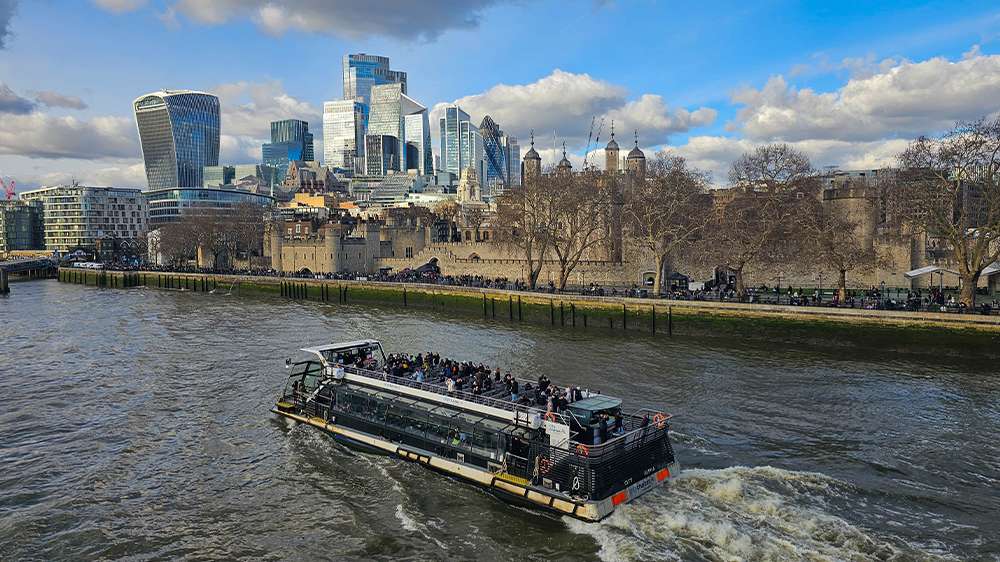
- Uber Boat by Thames Clippers: A budget alternative to pricey Thames cruises, with the same river views
Getting Around London: FAQs
Is public transport in London expensive?
London transport isn’t cheap, but it’s predictable. Thanks to daily and weekly fare caps, you’ll never pay more than a set maximum when using contactless or an Oyster card. If you mix public transport with walking, you can keep costs reasonable and avoid unnecessary spending.
What’s the cheapest way to get around London?
The cheapest way to get around London is usually walking, combined with buses. Buses have a flat fare, and with the Hopper fare, you can take unlimited bus journeys within one hour for a single £1.75 fare when using contactless or Oyster. Walking between nearby sights often saves both time and money. For longer distances, using contactless on the Tube still works out well thanks to daily fare caps.
Do I need an Oyster card to travel around London?
No. Most visitors don’t need an Oyster card anymore. A contactless debit or credit card, or Apple Pay / Google Pay, works exactly the same and is usually the easiest option. Oyster cards are mainly useful for children, discounted fares, or visitors without a contactless bank card.
Is Uber better than public transport in London?
Uber can be convenient late at night or if you’re travelling with luggage, but it’s rarely the best way to get around London day to day. Public transport is faster, cheaper, and more reliable during busy hours, especially in central London.
Can you walk everywhere in London?
You can’t walk everywhere, but London is very walkable in clusters. Areas like Soho, Covent Garden, Westminster, the South Bank, and Kensington are close together and often quicker to explore on foot than by Tube. Walking is also one of the best ways to see the city properly.
Is London transport safe at night?
Yes, London’s transport system is generally safe, even at night. The Tube runs late on many lines, and night buses cover the entire city. As in any big city, keep an eye on your belongings and stay aware in busy stations.
What’s the best transport app for London?
Citymapper is the best all-round app for getting around London. It shows real-time updates, compares routes, and often suggests faster options than Google Maps. TfL Go is also useful for official line status updates.
How do I get around London for the first time without stress?
Keep it simple. Use contactless, stay mostly within Zones 1–2, avoid rush hour if you can, and walk whenever distances are short. Once you’ve done a few journeys, the system starts to feel very intuitive.
Final Thoughts on the Best Ways to Get Around London
Once you understand the basics, getting around London becomes second nature. With contactless payments, frequent services, and walkable neighbourhoods, you’ll spend less time figuring things out and more time enjoying the city.
If this is your first visit, take it slow. Mix public transport with walking, explore different areas, and don’t stress about getting it perfect — London is a city you learn as you go.
To help you plan the rest of your trip:
- Check out my London itineraries for easy day-by-day routes
- Explore my guide to free things to do in London
- Looking for a base? Check out my detailed Where to Stay in London Guide