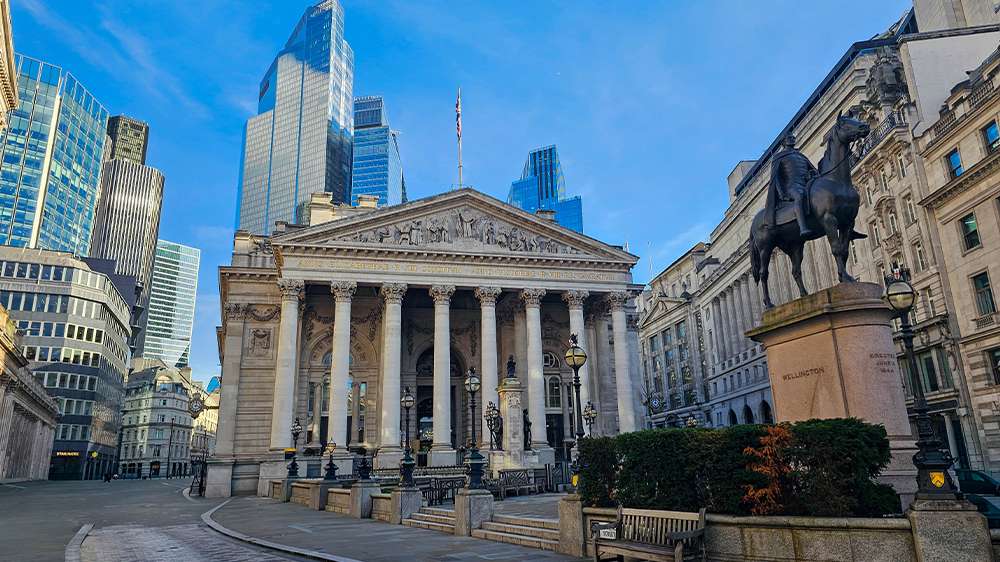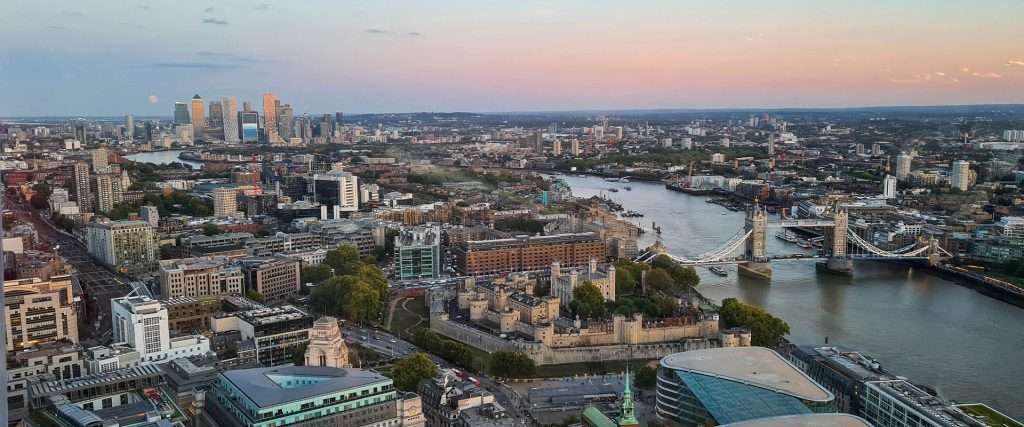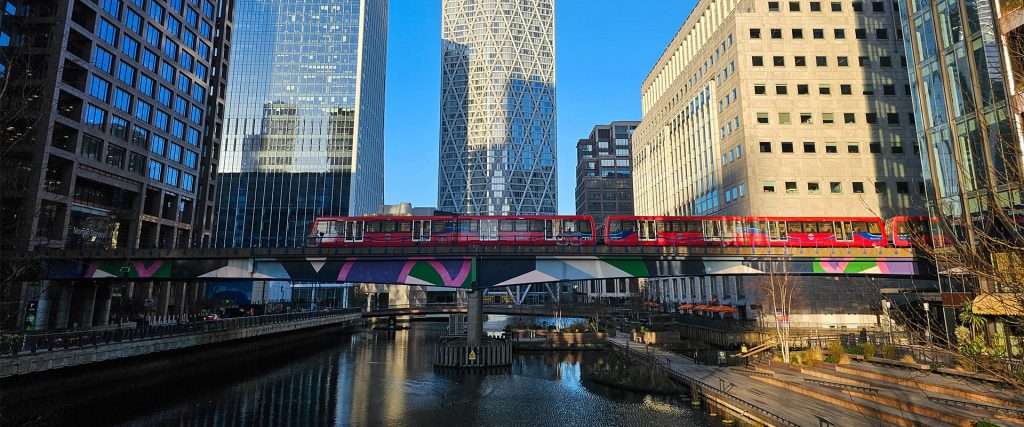
Visiting London for the first time can be exciting and a little overwhelming, and I completely understand that feeling. I’ve lived in the city for over 15 years now (so looong, right?!), and during this time I’ve watched the city grow, change, and reinvent itself more times than I can count. I’ve tried countless restaurants and cafés, explored neighbourhoods from east to west, and chased those little “wow moments” that make this city so special.
London has given me so much over the years: new experiences, new perspectives, and a sense of belonging in a place that never stops moving. Now, I’d like to share all of that with you.
This guide serves as an introduction to my London series, laying the foundation before we dive deeper. If you’re visiting London for the first time, this post will give you a clear starting point: the areas I recommend staying in, the sights worth seeing, and the simple tips that help you understand how the city works.
I’m here to make your trip easier and more enjoyable, so you can focus on exploring rather than figuring everything out on the go. And when you’re ready for more, my deep-dive posts will take you through each neighbourhood, hidden gem, market, viewpoint, and itinerary, step by step.
This is where your London journey begins, and hopefully, it will make you fall in love with the city the way I did.
London at a Glance
Planning your first trip to London? Here’s my starter guide with personal recommendations to help you shape the best trip.
Where to Stay in London (My Top Picks)
- Budget: Cosmos Capsule Hub London, Zedwell Piccadilly Circus
- Mid-Range: DoubleTree by Hilton, Park Plaza Westminster Bridge
- Boutique: The Gantry London, Curio Collection by Hilton
- Luxury: Shangri-La at the Shard, The Savoy
Places to Eat & Drink
Top Things to Do
- Thames River Cruise with Lunch
- Royal afternoon tea with Kensington Palace Gardens Tour
- London Bridge & Borough Market Food Tour
- London 30 Top Sights Walking Tour
- Secrets of London Walking Tour
- London Classic Landmarks Bike Tour
Useful Apps & Platforms
- TFL Journey Planner: real-time Tube, bus, and DLR updates
- Citymapper: the easiest app for planning routes across London, and we locals love it
- Revolut / Monzo: excellent travel cards with great exchange rates and no exchange fees (*limit applies)
- Time Out London: updated list of events, exhibitions, markets, and free things to do
- Groupon UK: discounts on restaurants, activities, spa days, afternoon teas, hotels and tours
- GetYourGuide: tickets, tours and fast-track entry
Did you know?
The London Underground is the oldest subway system in the world, opened in 1863. Today, it carries more than 5 million passengers daily, and it continues to expand almost every year.
Why You Should Visit London?
London is one of those cities that stays with you. It’s a place where history and modern life sit side by side, and every neighbourhood has its own rhythm. One moment you’re walking past centuries-old buildings, and the next you’re discovering a new café, a street food stall, or a hidden corner full of character.
For first-time visitors, it’s incredibly rewarding. The city is easy to explore and full of:
- free museums
- beautiful parks
- colourful markets
- world-famous landmarks
You can wander through Covent Garden, take a walk along the South Bank, or spend an afternoon in one of the many galleries or historic sites (often without spending much at all).
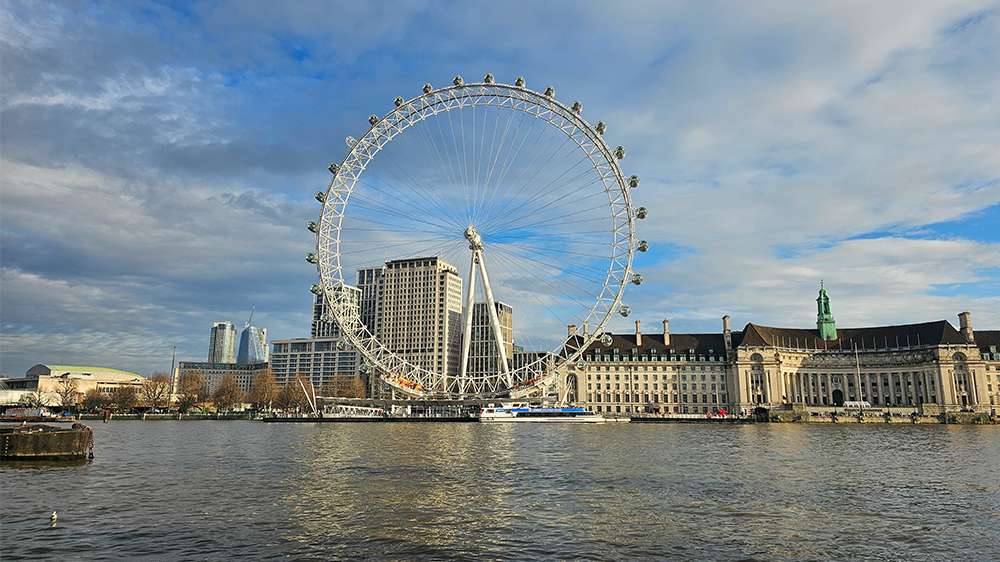
What I love most about London is its variety. There’s always something happening, but you can still find calm when you need it. Some of my favourite things include:
- seasonal events and festivals
- pop-up foodie spots and weekend markets
- quiet side streets away from the crowds
- relaxing viewpoints (especially around Greenwich and Primrose Hill)
- small local cafés where you can slow down
Whether you’re here for iconic sights, food and markets, theatre, culture, or simply to get a feel for the city, London really does offer something for everyone. And experiencing it for the first time feels special; it’s a trip you’ll remember long after you leave.


Best Time to Visit London
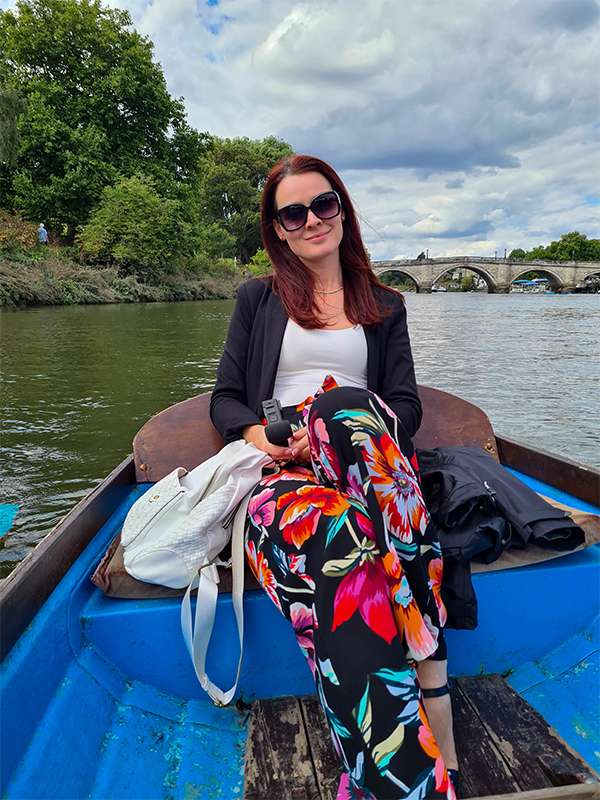
London is a year-round destination, but each season offers something different. The weather can change quickly, so layers and a small umbrella are always a good idea.
- Spring (March–May): A lovely time to explore. The parks start to bloom, days get longer, and the weather feels mild. Great for walking routes, markets, and exploring the city on foot
- Summer (June–August): The warmest and busiest season. You’ll find outdoor events, festivals, open-air cinemas, and lively neighbourhoods. Prices are higher, but the atmosphere is amazing
- Autumn (September–November): Colourful parks, cosy cafés, and fewer crowds. Early autumn still feels warm, while October brings that classic London mood, which is perfect for museums and indoor sights
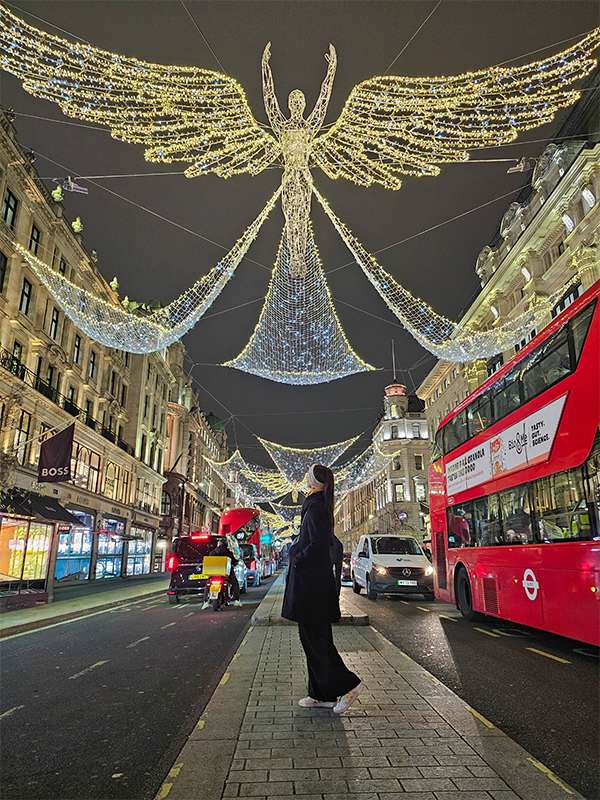
- Winter (December–February): Cold but atmospheric. Christmas lights, festive markets, and busy shopping streets bring the city to life. January and February are quieter and usually cheaper
Best Time for First-Time Visitors
If it’s your first trip to London, the best months are:
- May & June: warm, bright, great for walking
- September & early October: pleasant weather, fewer crowds
- December: if you love Christmas lights, markets and cosy winter vibes
These months offer the easiest mix of good weather, manageable crowds, and that classic London energy.

Best Areas to Stay in London for First Timers
Choosing the right area makes a big difference when visiting London for the first time. The city is large, but well-connected, and each neighbourhood offers something slightly different. Below is a simple overview to help you understand where to base yourself.
Want a full breakdown of the areas of London?
Stratford (our top recommendation!)
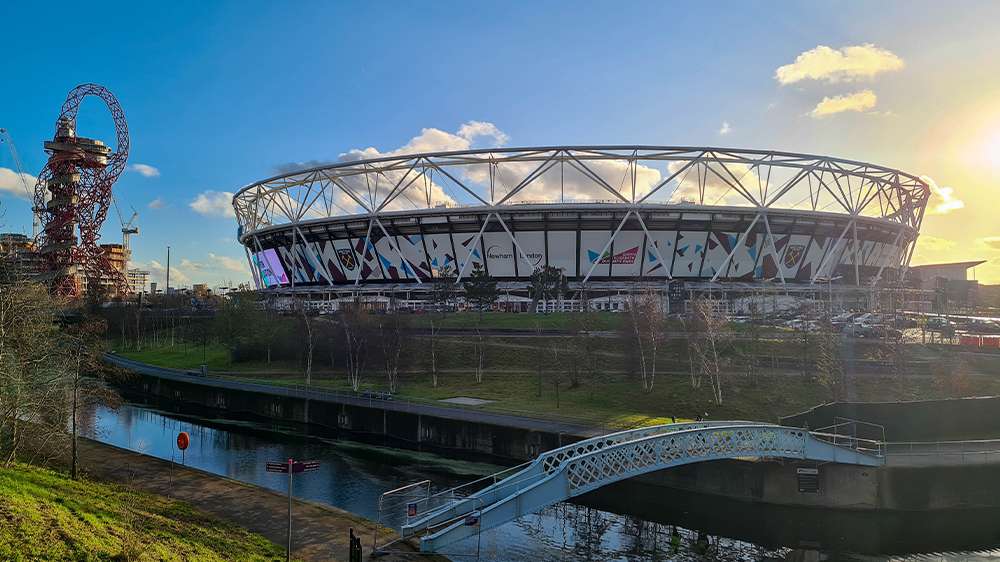
Stratford is one of London’s best-kept secrets for first-time visitors, and one of my favourite places to live and be. It offers incredible value for money, excellent transport links, and a modern, energetic atmosphere without the high prices of central London. It’s also part of London’s growing East Bank, a new cultural district that’s bringing even more life, creativity, and opportunities into the area.
What makes Stratford special:
- Located in Zone 2
- Transport option: Central Line + Elizabeth Line + Overground + DLR + Buses
- 20 minutes to Oxford Circus
- 10 minutes to Liverpool Street and the City
- A range of affordable hotels & Airbnbs
- Westfield shopping mall with cafés, restaurants & cinema
- Olympic Park for walks, viewpoints, and green space
- ABBA Arena is within walking distance
- Canalside cafés and restaurants
- A brand-new theatre and cultural venues
- 24/7 direct National Express service to Stansted Airport — perfect for flights at any time of the day
For comfort, convenience, and cost, Stratford is genuinely one of the smartest areas to stay in London, and a place where you get a real mix of local life and modern London energy.
Covent Garden & Soho
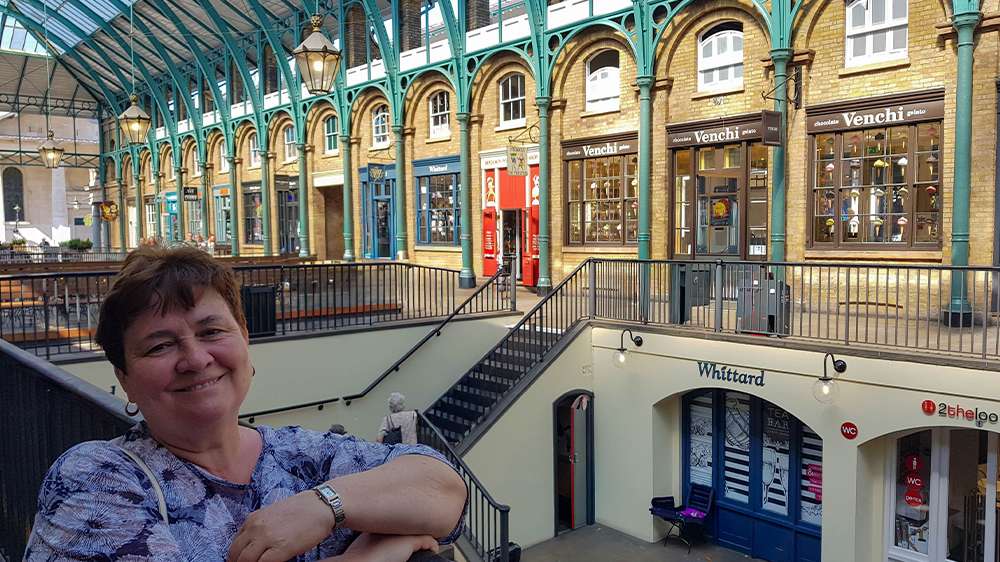
Best for first-time visitors who want to be in the centre of everything. You’ll find theatres, shops, restaurants, and many top sights within walking distance.
South Bank & London Bridge
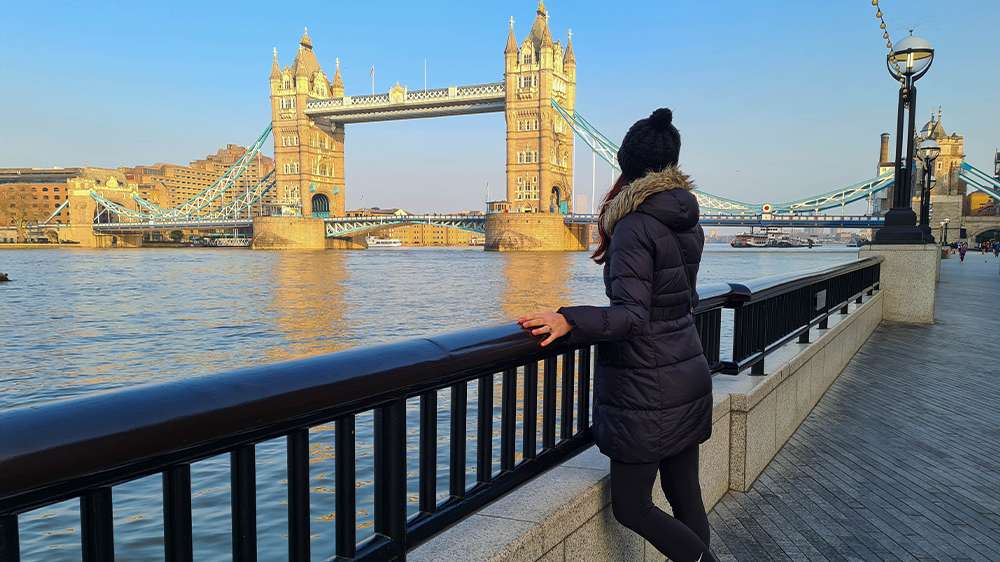
Great for riverside views, easy transport, and quick access to places like Borough Market, the Tate Modern, and Tower Bridge.
Kensington & South Kensington
Quiet, elegant, and close to free museums. Ideal if you prefer a more relaxed base with great cafés and beautiful residential streets.
Shoreditch
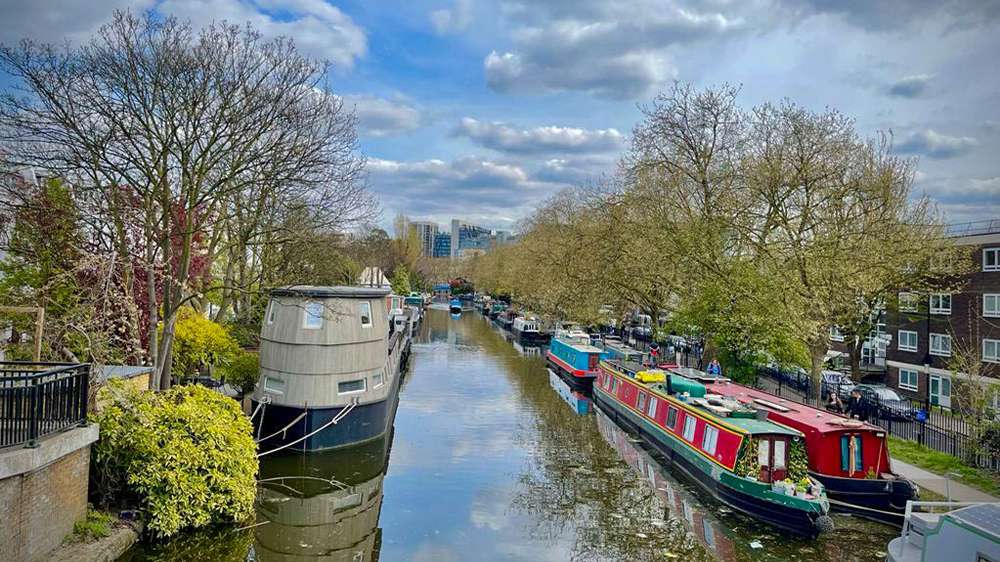
Trendy and full of character. Perfect for food lovers, markets, street art, and nightlife, with great connections on the Overground and Northern line.
Paddington
Practical and well-connected, especially if you’re flying into Heathrow. Easy to reach Hyde Park and Notting Hill from here.
Greenwich
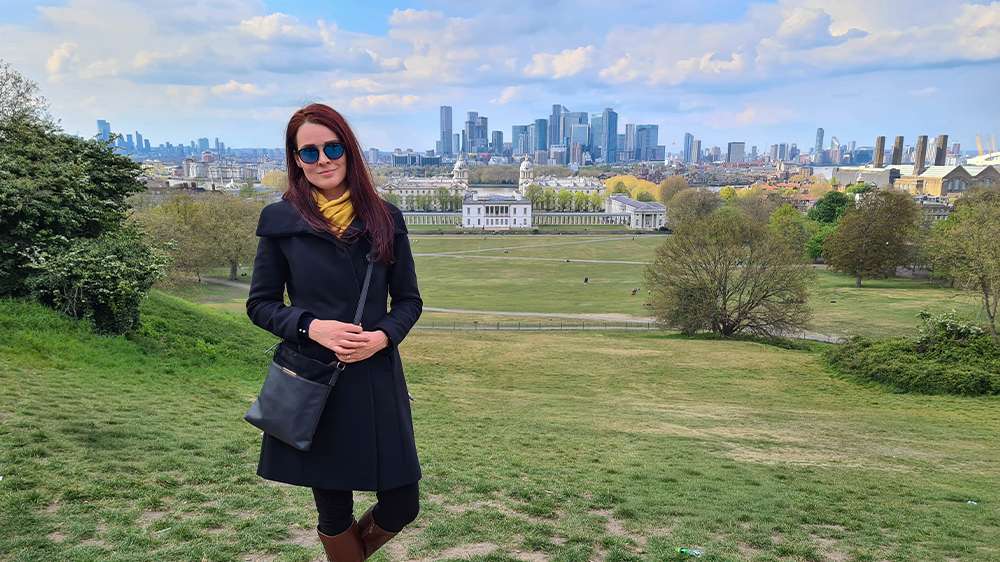
A calmer option with a village feel, riverside walks, and beautiful parks. A little further out, but lovely if you prefer a quieter stay (and it’s my absolute favourite place!)
How to Get to London
Despite being situated on an island, it’s one of the best-connected cities in the world. It’s served by frequent flights across six airports, making it easy to find a route that works for your budget and travel plans.
Main Airports
- London Heathrow (LHR): The largest airport with excellent transport links to central London
- London Gatwick (LGW): Popular for international flights and major airlines
- London Stansted (STN): A key hub for low-cost airlines across Europe and our preferred airport for short-haul flights
- London Luton (LTN): Another budget-friendly airport with many European routes
- London City (LCY): Convenient for business travellers and short flights within Europe. It’s located in East London within zone 3
Other Airport
- Southend (SEN): Smaller and quieter, usually serving selected European destinations

Eurostar
- St Pancras International: Direct trains from Paris, Brussels, Amsterdam, and Lille. A great alternative to flying if you’re already in Europe
National Rail
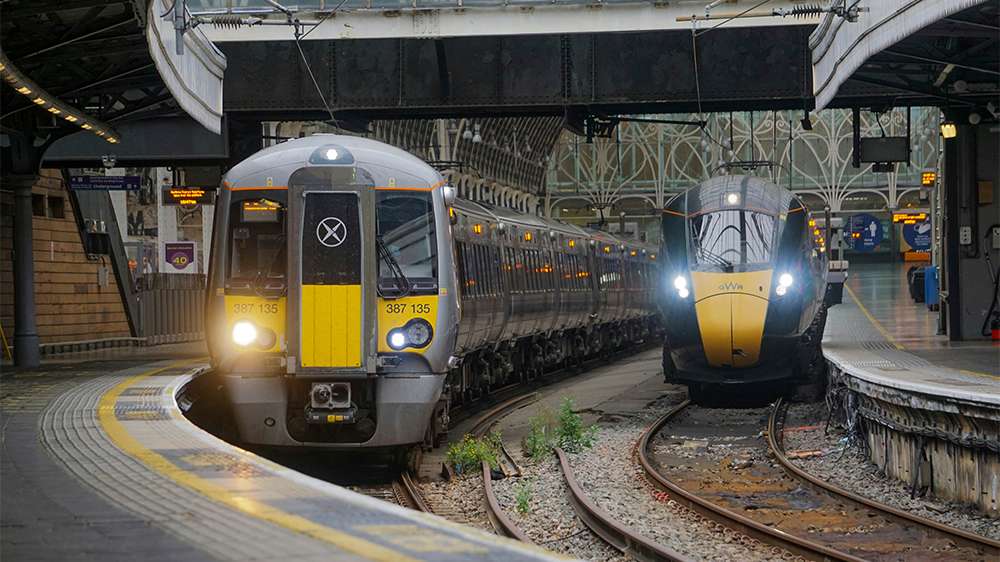
Fast trains connect London with major UK cities like Manchester, Birmingham, Brighton, Bristol, and Edinburgh.
How to Get Around London
Getting around London is much easier than most visitors expect. The city has a reliable transport network, and most places are well connected, so you can move between neighbourhoods quickly and without stress. Here’s a simple overview for first-time visitors.
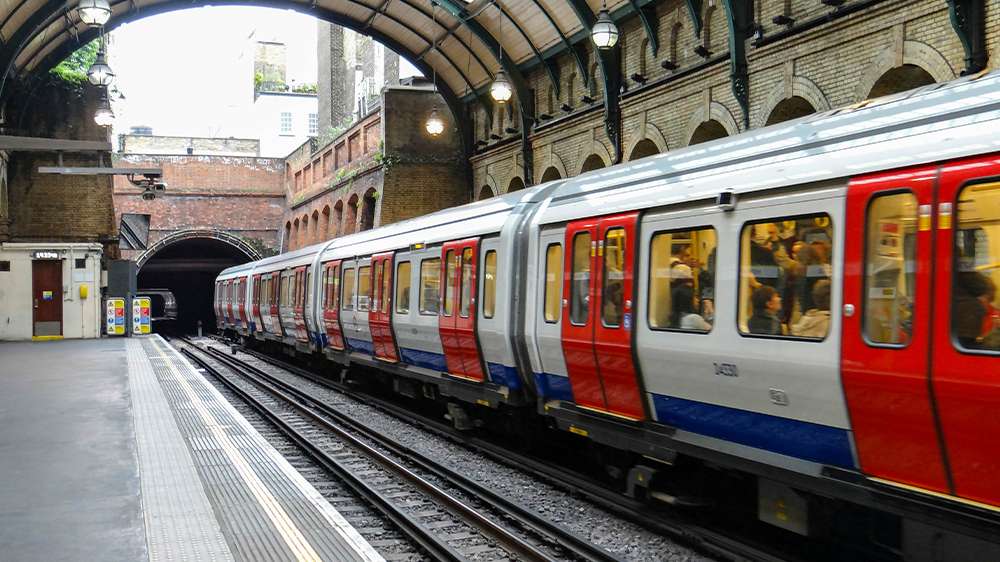
Tube (Underground)
The Tube is the fastest way to travel across the city. Lines are colour-coded, trains run frequently, and you can get almost anywhere without needing to change too many times.
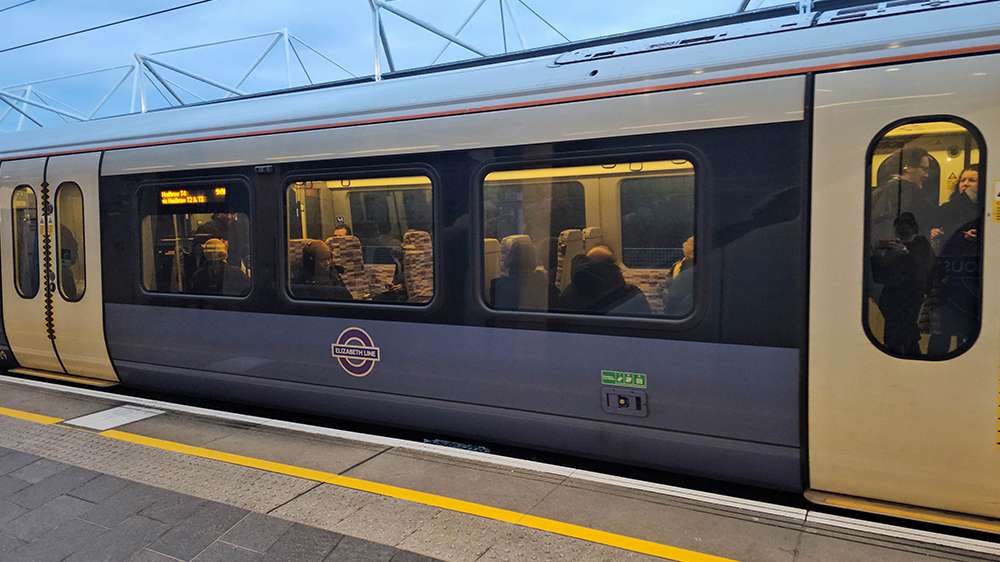
Elizabeth Line
Modern, fast, and spacious. It’s especially useful for travelling from Heathrow and crossing the city east to west in a short time.
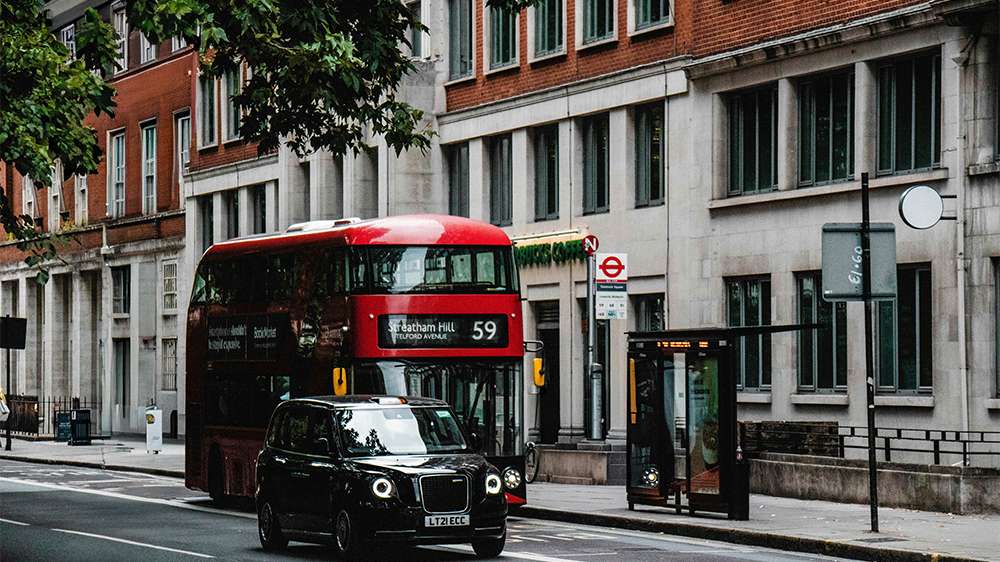
Buses
Great for short distances or when you want to see the city above ground. They run often, and many routes continue late into the night/ through the night.
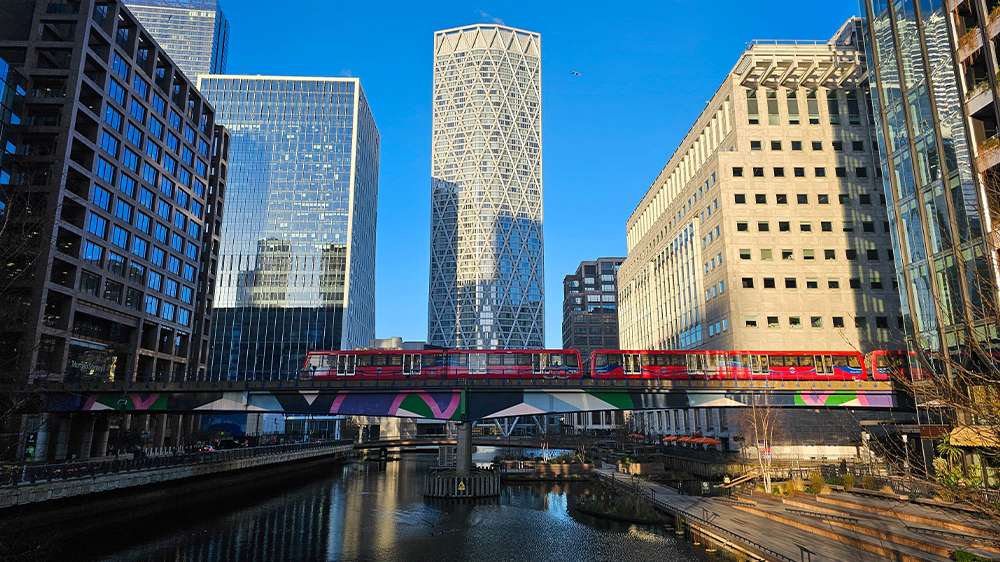
Overground & DLR
Connects neighbourhoods not served by the Tube, especially in East and South London. Helpful when exploring areas like Shoreditch, Camden, Hampstead, Richmond or Docklands.
Walking
London is far more walkable than many people expect. Areas like Covent Garden, Soho, the South Bank, Notting Hill, and Kensington are best explored on foot.
Quick Insider Travel Tips
- Avoid travelling during rush hours (7:30–9:30 am and 5–7 pm)
- Use Google Maps, TFL Journey Planner or Citymapper to plan your routes
- On escalators, stand on the right and walk on the left
- Keep your belongings secure on busy services
- For very short distances, walking is often quicker than taking the Tube
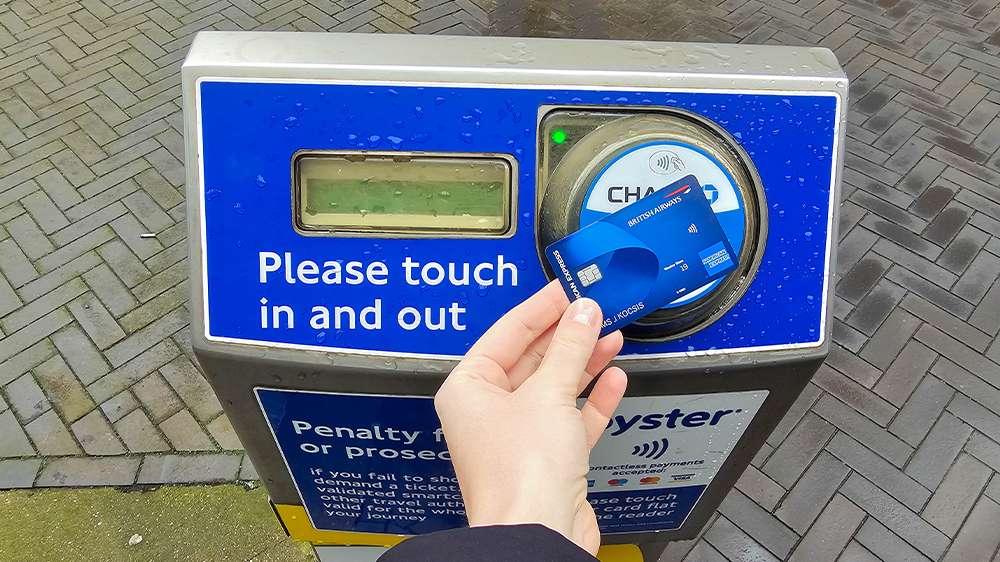
- No need to buy an Oyster card, you can just use any of your contactless cards for payment. Tap the card or the phone on the reader, and the system will automatically calculate the best fare for the day
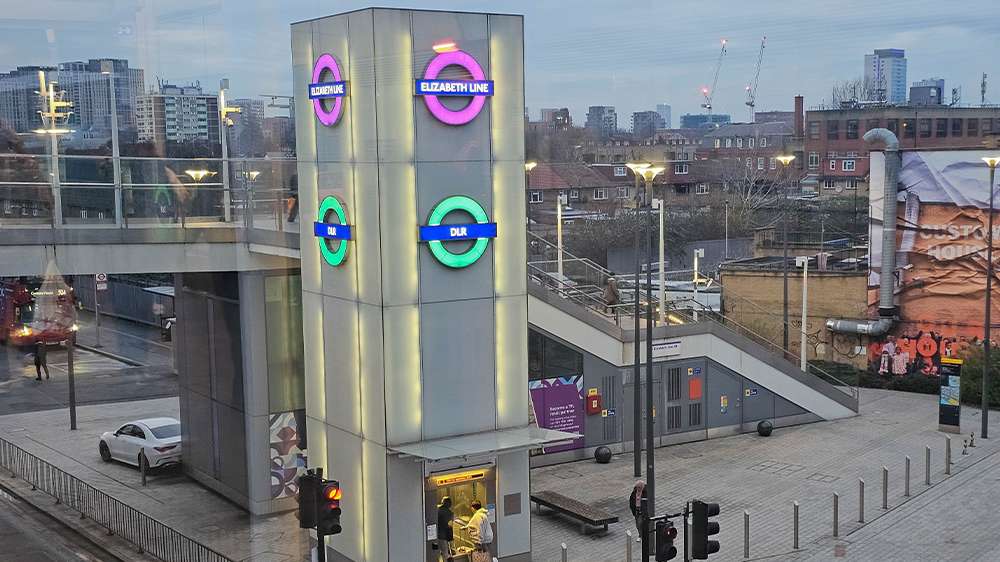
Top Experiences in London (First-Timer Highlights)
London is full of things to see and experience, but if you’re visiting London for the first time, these are the places I always recommend starting with. They give you a good mix of history, culture, neighbourhoods, and classic views. Here’s a simple overview to help you plan.
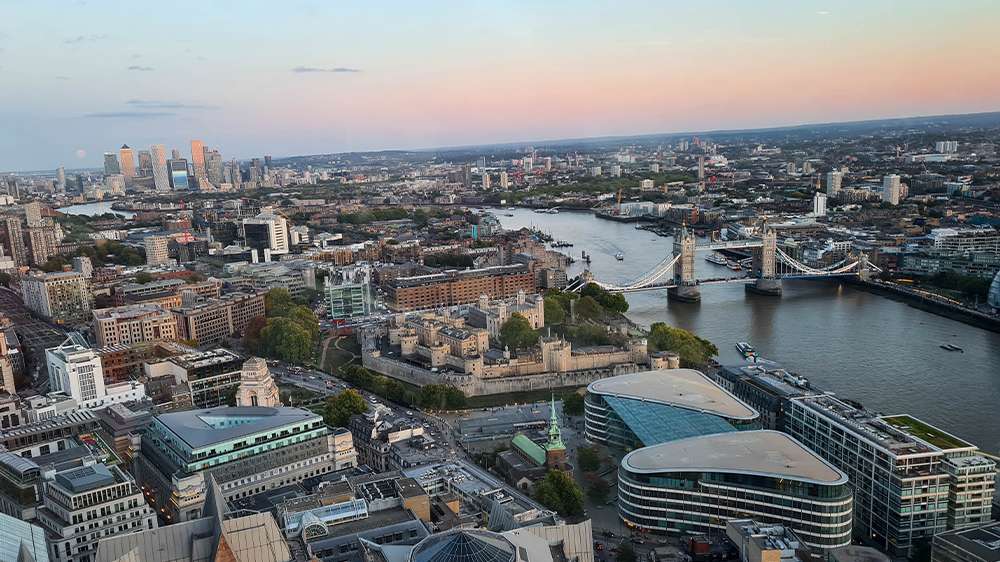
Tower Bridge & the Tower of London
A perfect introduction to London’s history. Walk across Tower Bridge for amazing views, then explore the Tower of London to learn how the city began.
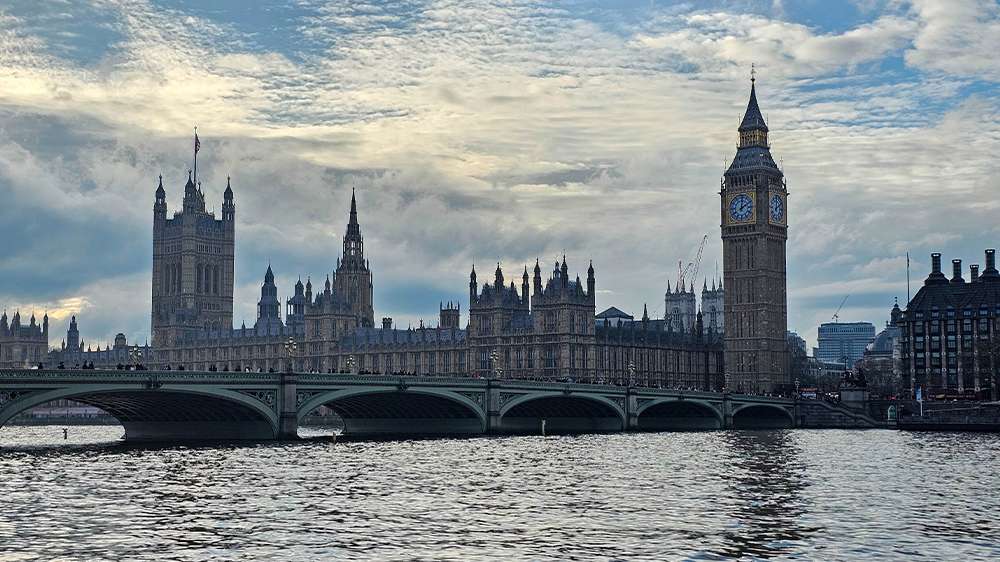
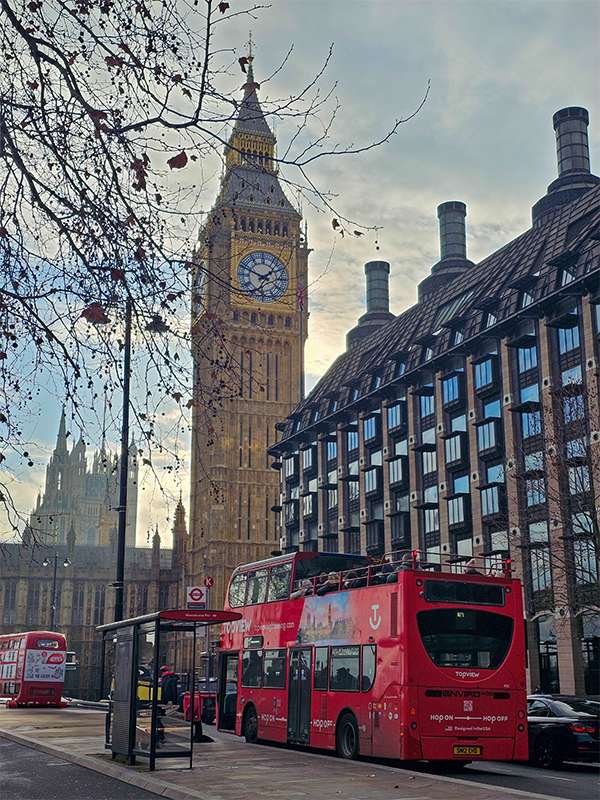
Westminster & Big Ben
One of the most iconic areas in the city. Here you’ll find Big Ben, the Houses of Parliament, and Westminster Abbey — all within a few minutes’ walk.
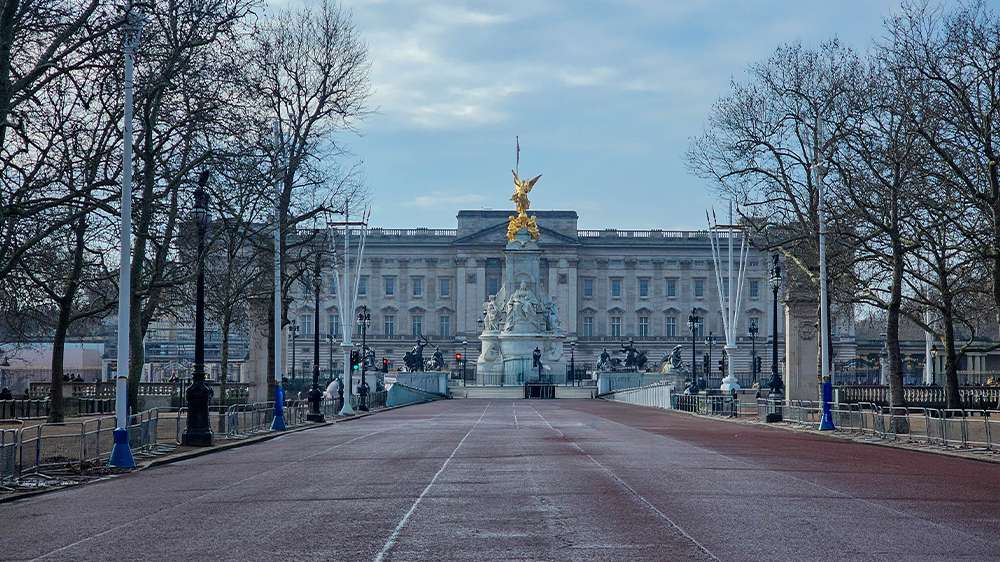
Buckingham Palace
A must-see for first-time visitors to London. Visit the gates, watch the Changing of the Guard, and walk through nearby Green Park or St James’s Park for beautiful views.
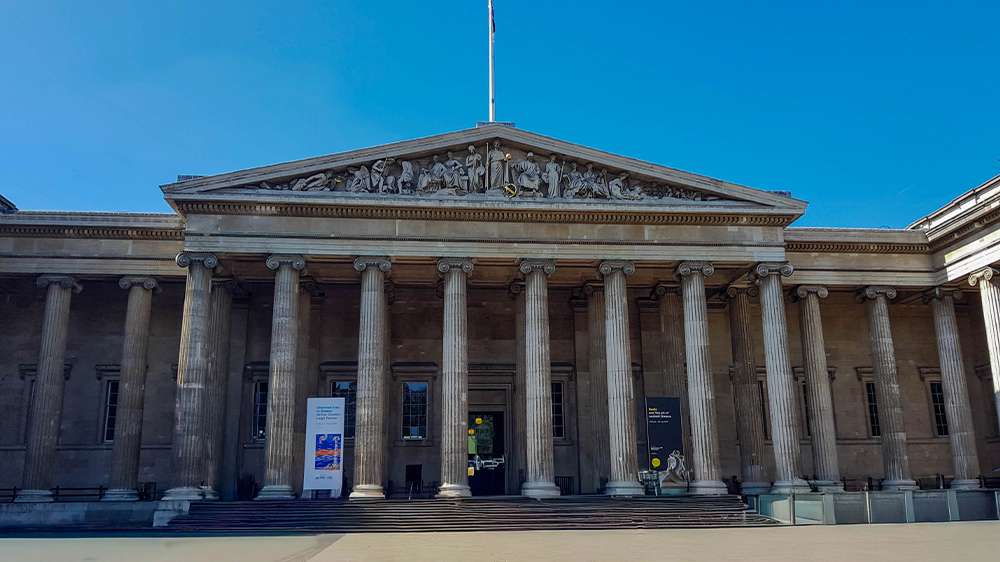
British Museum
A huge, free museum that’s ideal for a rainy day. Even a short visit gives you a feel for the city’s cultural richness.
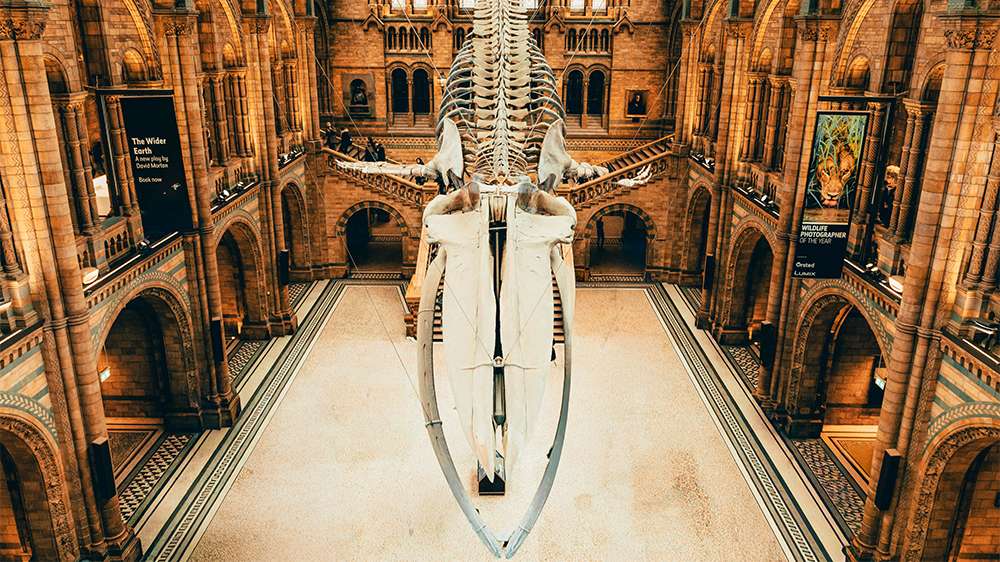
Natural History Museum
A favourite for all ages. The architecture alone is worth the visit, and entry is free.
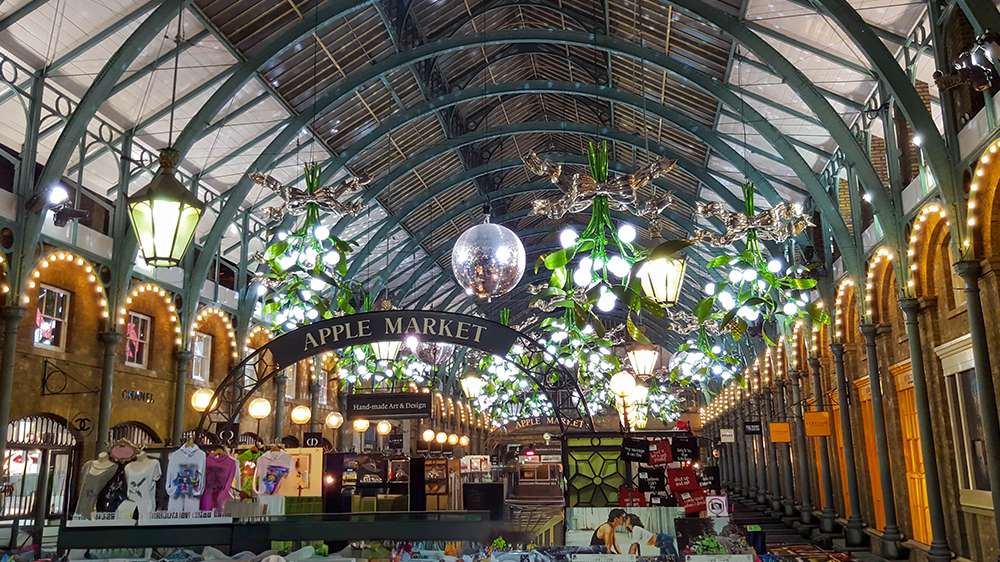
Covent Garden
A favourite for all ages. The architecture alone is worth the visit, and entry is free.
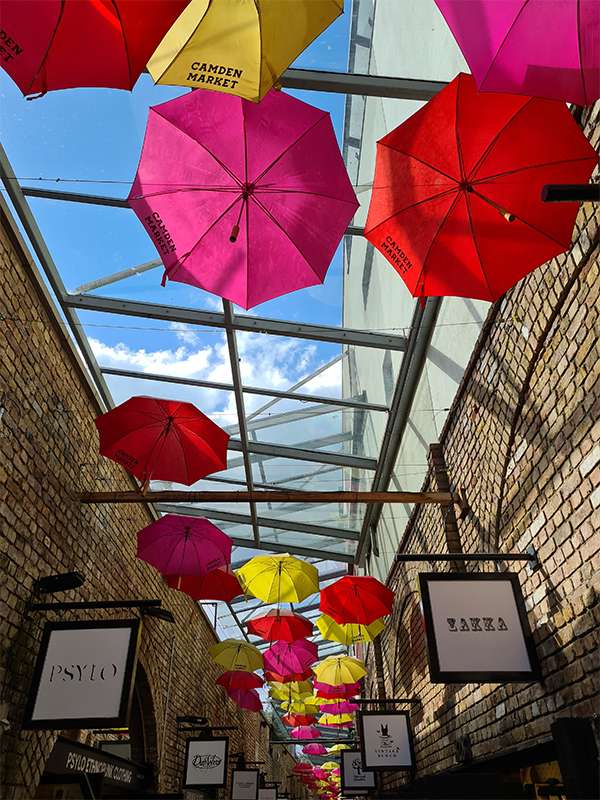
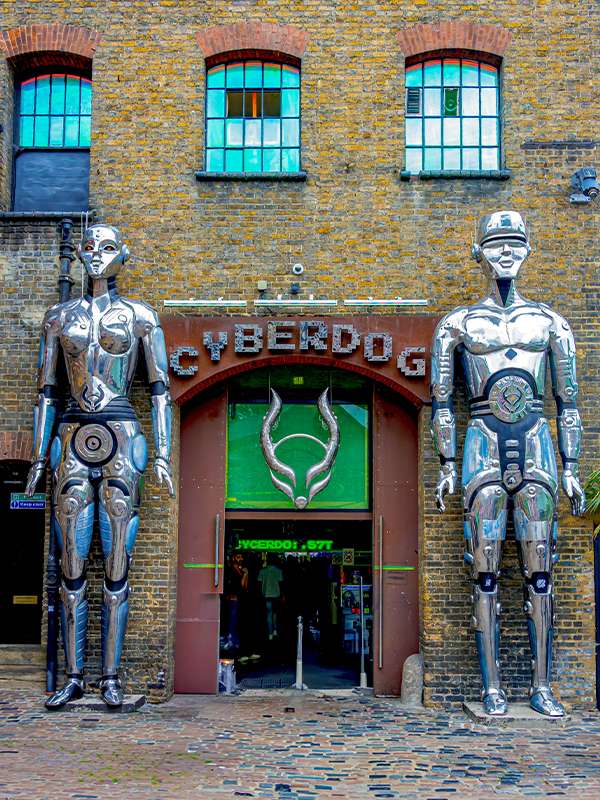
Camden Town
Colourful, creative, and full of energy. Explore the market, try street food, and enjoy the alternative side of London.
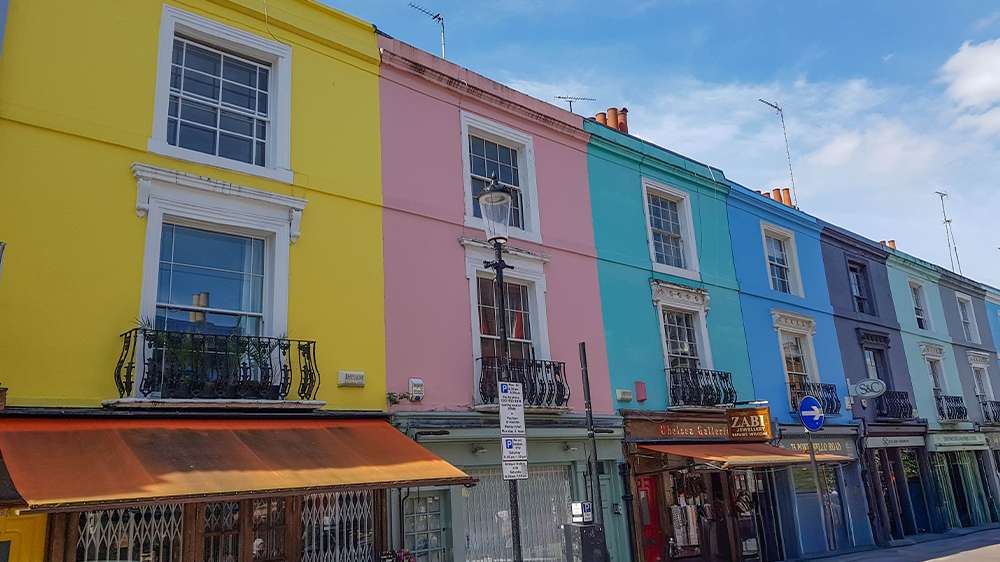
Notting Hill
Pretty streets, pastel houses, and the famous Portobello Road Market. A lovely neighbourhood for a relaxed morning or early afternoon walk.
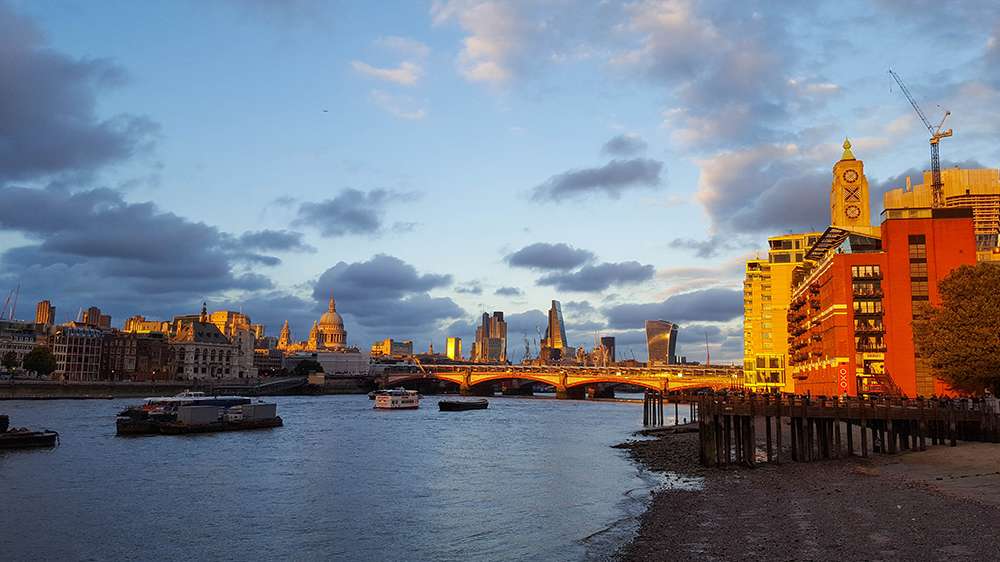
South Bank Walk
An easy riverside route with beautiful views. You’ll pass the London Eye, Tate Modern, Shakespeare’s Globe and cross some of the city’s best bridges.
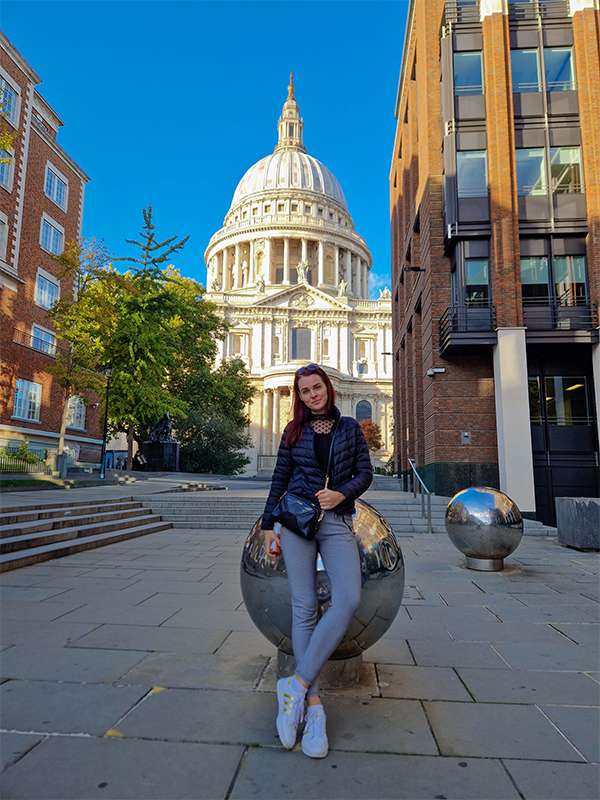
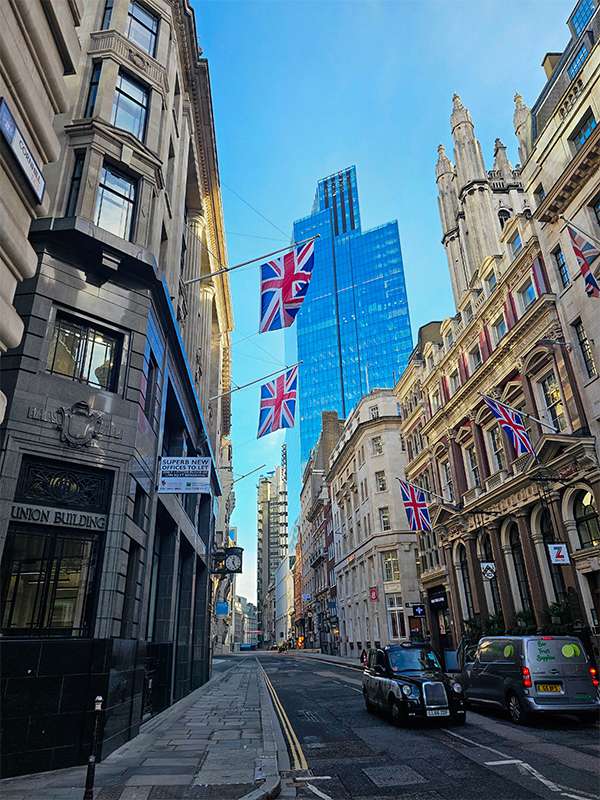
St Paul’s Cathedral & The City of London
Walk through London’s financial district, then visit St Paul’s for one of the most impressive interiors in the city.
Markets (Borough, Spitalfields, Camden)
Each one has its own character. They’re great for food lovers and perfect if you want to try different flavours in one place.

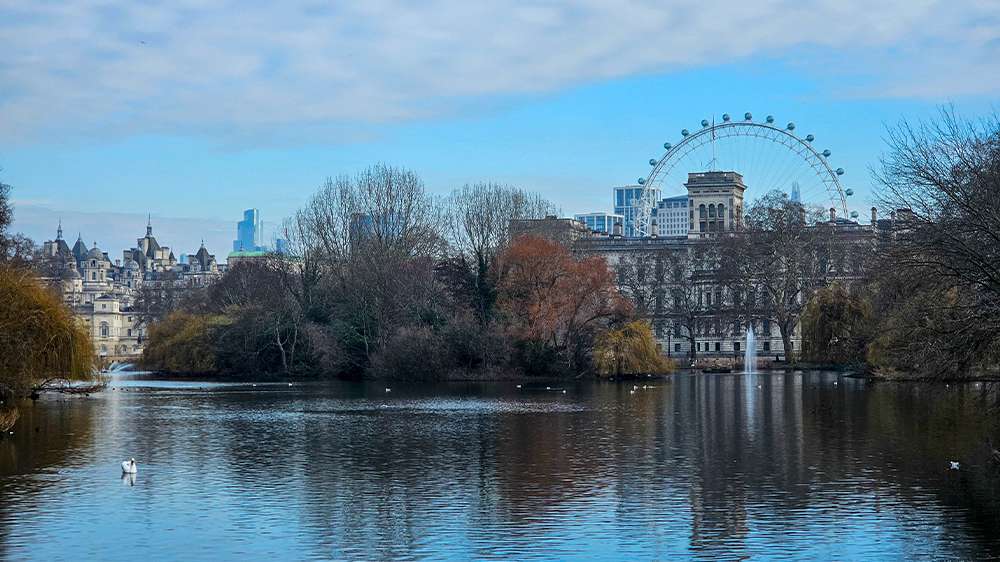
Parks (St James’s Park, Hyde Park, Regent’s Park, Richmond Park)
London’s green spaces are a big part of the local lifestyle. They’re peaceful, beautiful, and ideal when you want a break from the busy streets.
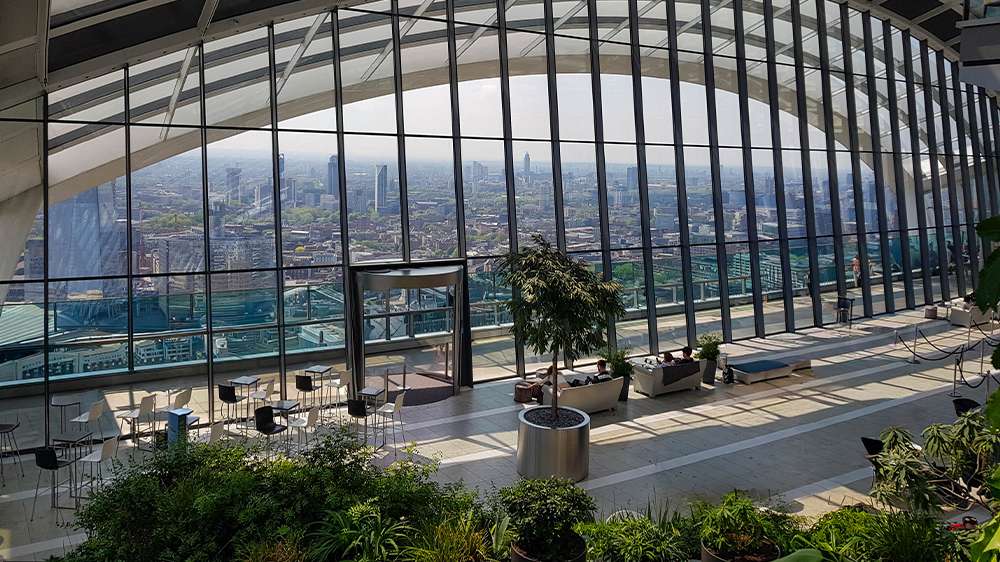
Viewpoints (Sky Garden, Greenwich Park)
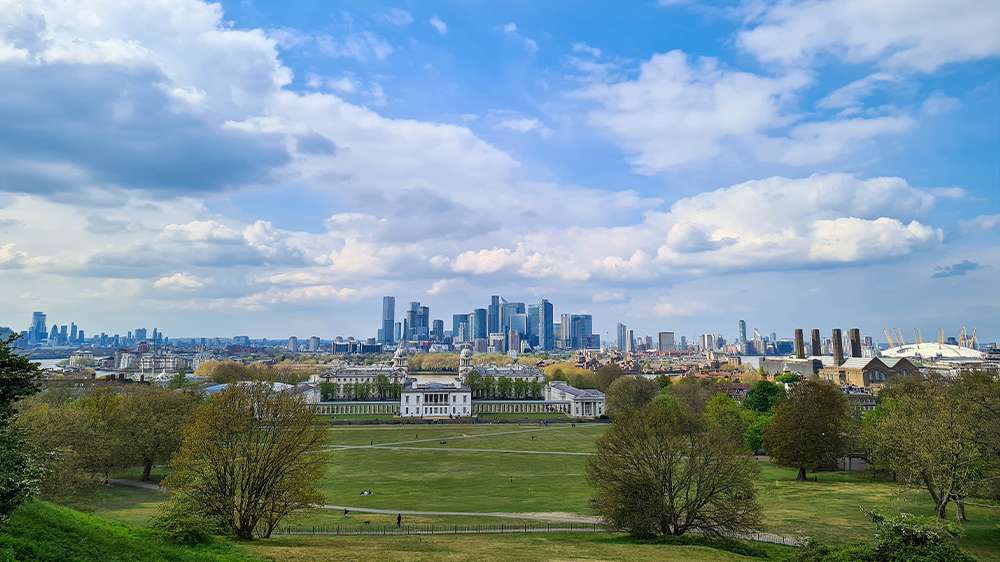
Two of the best free viewpoints in London. Sky Garden gives you sweeping views across the skyline, while Greenwich Park offers a classic postcard angle of the city.
Want the full list?
Read my upcoming “Things to Do in London” guide, a complete deep-dive with routes, neighbourhoods, hidden gems, and personal favourites.
London Itinerary Ideas (for Your First Visit)
If you’re planning your trip and wondering how many days you actually need, here’s a quick overview.
1 Day in London
A fast-paced introduction focusing on iconic sights: Westminster, the South Bank walk, and Tower Bridge.
2 Days in London (Weekend in London)
A mix of landmarks and neighbourhoods. Day one covers the classics, and day two adds areas like Covent Garden, Camden Town, or Notting Hill.
3-4 Days in London
Enough time to slow down a little. You can mix museums, markets, parks, and viewpoints at a more relaxed pace.
5 Days in London
In addition to exploring London, you can add a day trip to one of the beautiful historic towns nearby. Don’t miss places like Oxford, Cambridge, Canterbury, or coastal towns such as Brighton and Whitstable.
Best Day Trips from London
If you have an extra day, London is a great base for exploring nearby cities and the countryside. Here are some of the easiest and most popular day trips for first-time visitors:
Brighton
A lively seaside town with a fun pier, colourful lanes, and beaches just an hour from London.
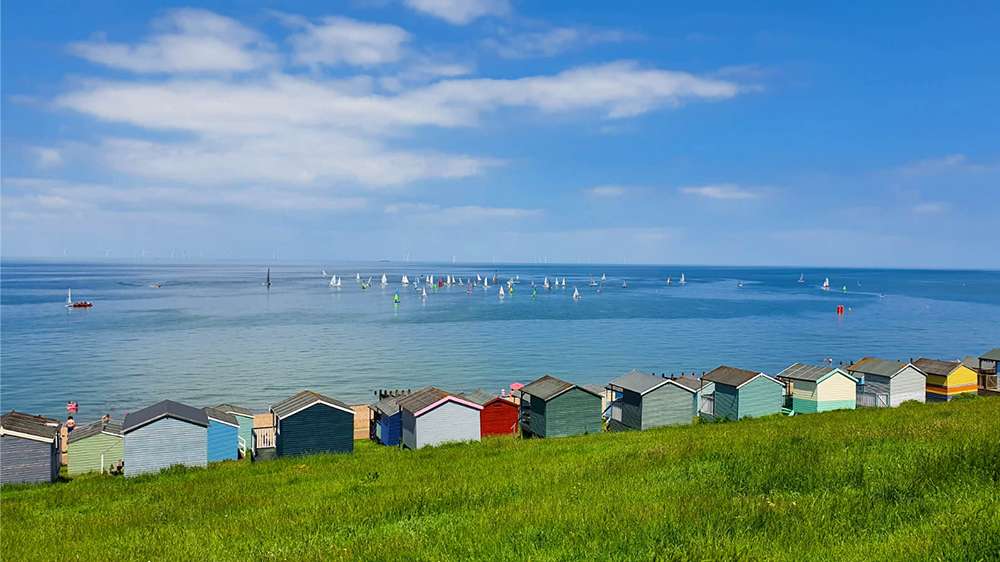
Whitstable
A charming seaside town known for its colourful beach huts, fresh oysters, and relaxed coastal vibe. Perfect for a slower day by the sea, enjoying seafood, independent shops, and long walks along the pebble beach.
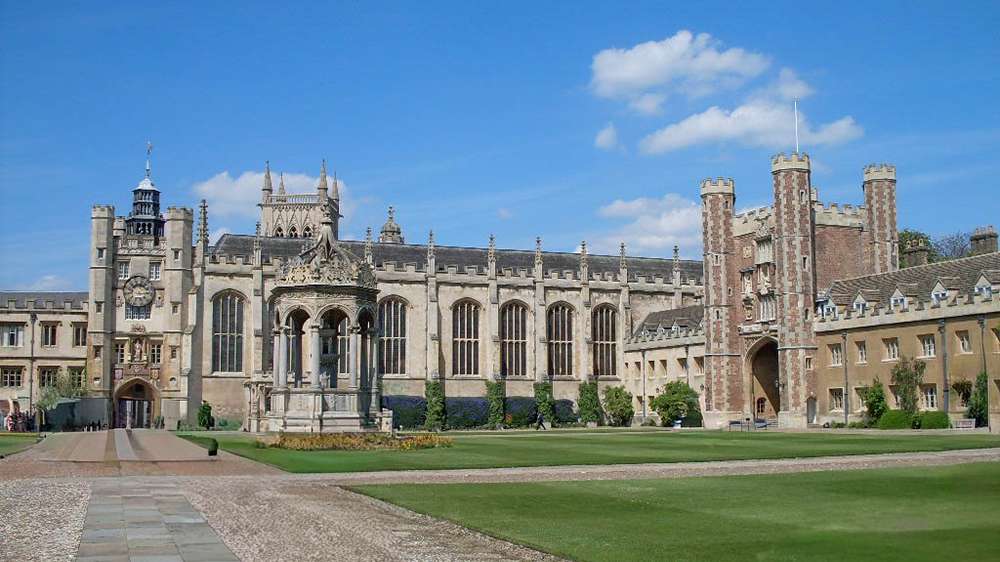
Cambridge
Known for its historic colleges, river punting, and beautiful architecture. Very walkable and peaceful.
Oxford
Another iconic university city with stunning medieval buildings and plenty of museums.
Bath
Famous for its Roman Baths, Georgian architecture, and relaxing atmosphere. A lovely day trip for history lovers.
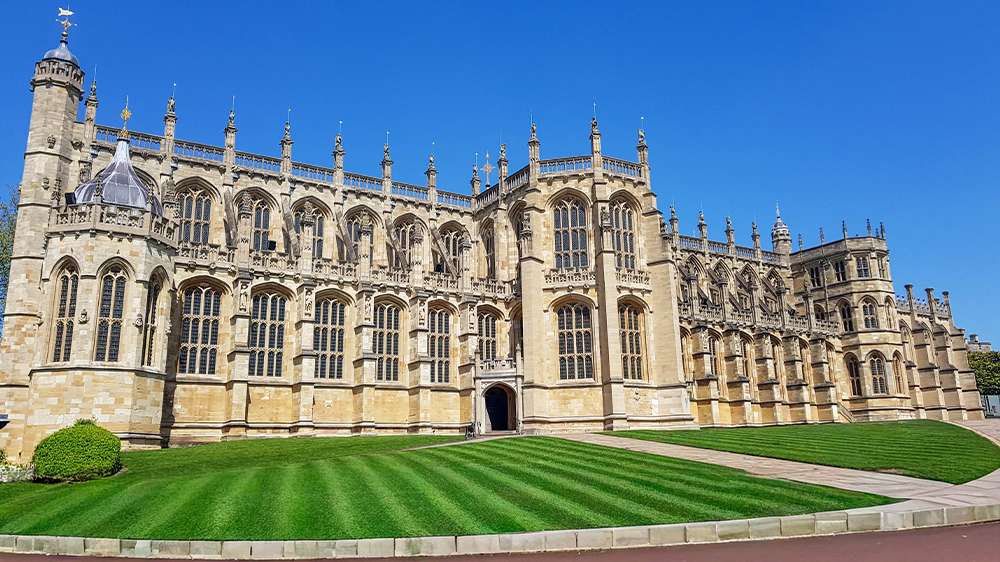
Windsor
Home to Windsor Castle and a charming town centre. Easy to reach and great for families.
The Cotswolds
Picturesque villages, rolling hills, and cosy pubs. Perfect if you want a slower, countryside escape.
Food and Drink in London (Overview)
London is one of the best food cities in the world, and you’ll feel it the moment you arrive. The choice is endless — from classic British pubs to brunch cafés, street food markets, and flavours from every corner of the world. You can keep it simple, try something new every day, or mix both styles without going too far.
For first-time visitors, here are a few things worth trying:
- Traditional pubs for fish & chips, pies, or a cosy Sunday roast
- Brunch spots: London takes brunch seriously, especially in neighbourhoods like Shoreditch and Notting Hill
- Street food markets such as Borough Market, Camden Market, and Spitalfields
- International cuisine: You’ll find incredible Indian, Middle Eastern, Korean, Italian, Japanese and many other foods across the city
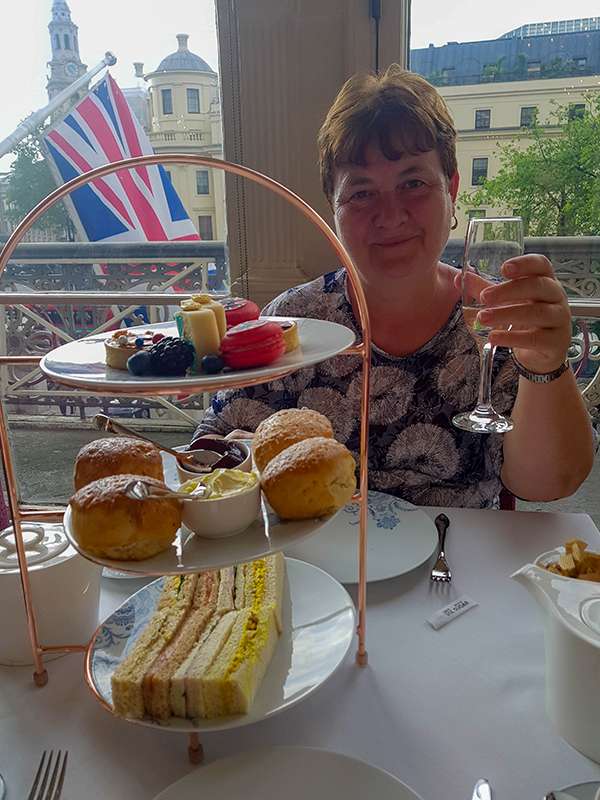
- Afternoon tea for a classic London experience, from casual to luxury

Practical Tips for Visiting London for the First Time
A few simple travel tips can make your first trip to London much easier. These are the things I always tell friends and family when they visit for the first time.
Money and Payments
London is almost fully cashless. Use contactless everywhere: cafés, markets, buses, the Tube, shops.
Revolut, Monzo or Wise offer great exchange rates and make budgeting simple. You’ll rarely need cash unless you want to tip in small cafés or buy from very small stalls.
Eating Well on a Budget
Meal deals are one of the easiest ways to save money while exploring London. They typically cost:
- Tesco Express, Sainsbury’s, Co-op: £4–£5
- M&S or Waitrose: £5–£6
You’ll get a main (sandwich/salad/sushi), a snack (fruit, flapjack, yoghurt or crisps), and a drink, which is perfect for long sightseeing days.
For coffee, try to avoid big chains like Starbucks, Costa, Pret or Nero. London’s independent cafés offer better quality, better prices, and much nicer vibes. It’s also a great way to support small businesses.
Transport Essentials
- Always tap in/out with the same contactless card or phone; the system works out the best fare
- Avoid rush hours when possible: mornings (7:30–9:30 am) and late afternoons (5–7 pm)
- Red buses are cheaper than the Tube and great for sightseeing
- Avoid rickshaws, they’re expensive and unnecessary. Walk instead, or hop on a double-decker
- Stay near a Tube/Elizabeth Line/Overground station, travel time adds up quickly
Shopping Tips
Avoid Oxford Street unless you love crowds and chaos. Many shops there sell low-quality sweets, souvenirs, or luggage at inflated prices.
Try instead these:
- TK Maxx: amazing bargains, often designer brands
- Primark: ultra-budget necessities
- Neighbourhood high streets: calmer, more authentic, and full of independent shops and cafés
- Skip the tacky souvenir shops on Oxford Street and try Cath Kidston for cute London-themed prints and accessories
- Try Whittard of Chelsea for beautiful tea sets, loose-leaf teas, hot chocolate and biscuits
- Twinings store for classic English teas and unique blends
- T2 for fun flavoured teas and gift sets
Safety in London
London is a big, busy city, and like most large capitals, petty theft and pickpocketing can happen, especially in crowded areas or around major tourist sights. Staying aware of your surroundings makes a huge difference.
Here are a few things I always tell friends and family:
- Keep your backpack in front on busy transport or packed areas
- Avoid keeping phones or wallets in back pockets or easy-to-reach outer pockets of bags
- Don’t leave your phone on café tables or restaurant terraces, it can disappear quickly
- Use a wrist strap or a cross-body strap attached to your phone case
- Stay aware when walking near roads; bike and scooter thieves operate fast
- Look both ways when crossing: traffic comes from the opposite direction to many visitors’ home countries
West End Show Tips (London Theatres)
If you love a good musical, comedy, or classic theatre night, the West End is one of the best places in the world to experience it. Tickets don’t have to be expensive; you just need to know where to look.
Here are a few simple ways to find great seats:
- TodayTix: brilliant for last-minute deals and flash sales
- London Theatre Direct: a reliable option for discounted seats across many theatres
- Matinee performances: usually cheaper than evening shows and often just as atmospheric
- Weekday shows tend to be more affordable than Friday or Saturday evenings
Packing Essentials for London
London’s weather changes quickly, so it’s best to pack smart and keep things simple:
- a light waterproof jacket or windbreaker
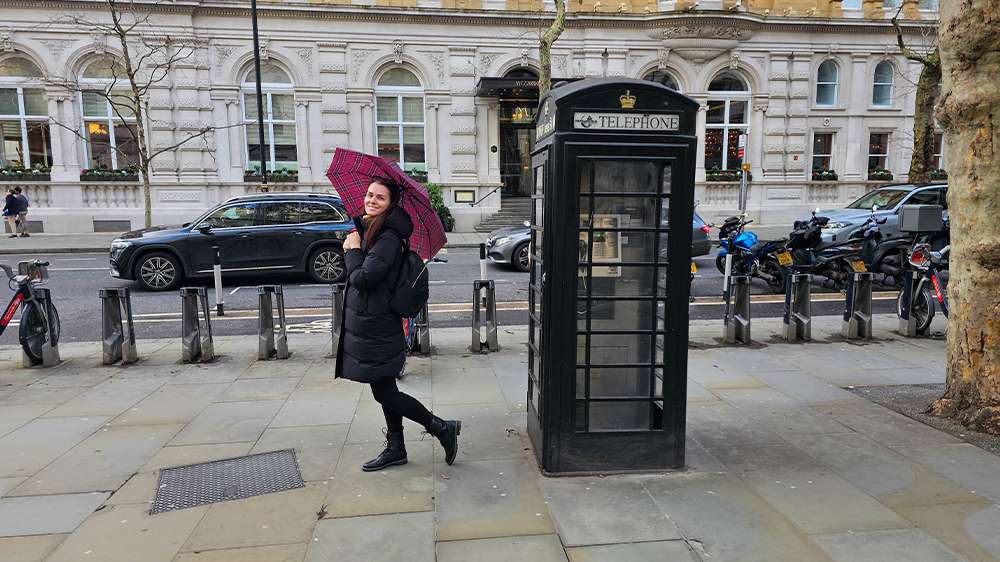
- a compact umbrella
- layers you can add or remove easily
- comfortable walking shoes
- a power bank (you’ll take a lot of photos!)
- earphones for bus/tube journeys
- a phone strap or crossbody case for safety
Free Museums and Parks
London has some of the best free cultural attractions in the world. Many major museums don’t charge an entry fee, including:
- The British Museum
- The Natural History Museum
- The Science Museum
- The National Gallery
Parks like Hyde Park, Regent’s Park, and Greenwich Park are perfect for slow mornings or a break between sightseeing.
If you want to know what’s happening in the city — including exhibitions, events, and lots of free things to do — check Time Out London. It’s one of the most useful resources for both locals and visitors.
Tipping in London
Tipping works differently here than in many countries.
- Restaurants usually add a 12.5% service charge to your bill
- Some fancier restaurants add up to 15%
- If the service charge is included, you do not need to tip extra
- In pubs, cafés, and casual spots, tipping is optional and not expected at all
If you don’t see a service charge on your bill, you can leave around 10%, but it’s entirely up to you.
Guided Tours and Walking Tours
A guided tour is a brilliant way to explore London, especially on your first visit.
You can:
- Learn stories behind the landmarks
- Get great recommendations from a local
- Explore neighbourhoods you might miss on your own
- Meet other travellers
- Enjoy a more relaxed introduction to the city
One of our favourite ways to start exploring is with a free (tip-based) walking tour. These tours are usually led by passionate locals; they’re fun, informative, and full of simple, practical recommendations you won’t find in guidebooks. You just tip at the end based on what you feel the tour was worth.
Final Thoughts for Your First Time in London
Visiting London for the first time is something you’ll never forget. Even after living here for more than 15 years, this city still finds new ways to surprise me. A different café, a view I’ve never noticed before, a quiet street, or a neighbourhood that suddenly feels completely new. That’s the magic of London. It changes, it grows, and it welcomes you at your own pace.
I hope this guide gives you a clear and simple starting point for planning your trip. London can feel big at first, but once you learn how it works, it becomes exciting, inspiring, and full of little moments that stay with you long after you leave.
Explore My London Series
If you want to read more, watch out for an upcoming full collection of detailed London posts. These will be based on my own experiences, the places I love, the routes I walk, and the hidden corners I keep coming back to.
Coming out soon:
- Things to Do in London (mega-post with routes + personal favourites)
- Where to Stay in London (best areas + hotel suggestions)
- London Itineraries (1, 2, 3, 4, 5 days)
- London Food & Markets Guide (pubs, brunch, street food, cafés)
- Day Trips from London (Brighton, Oxford, Cambridge, Bath…)
Your London adventure starts here. Explore the guides, get inspired, and start planning a trip you’ll remember long after you leave.